
Last updated November 15, 2026
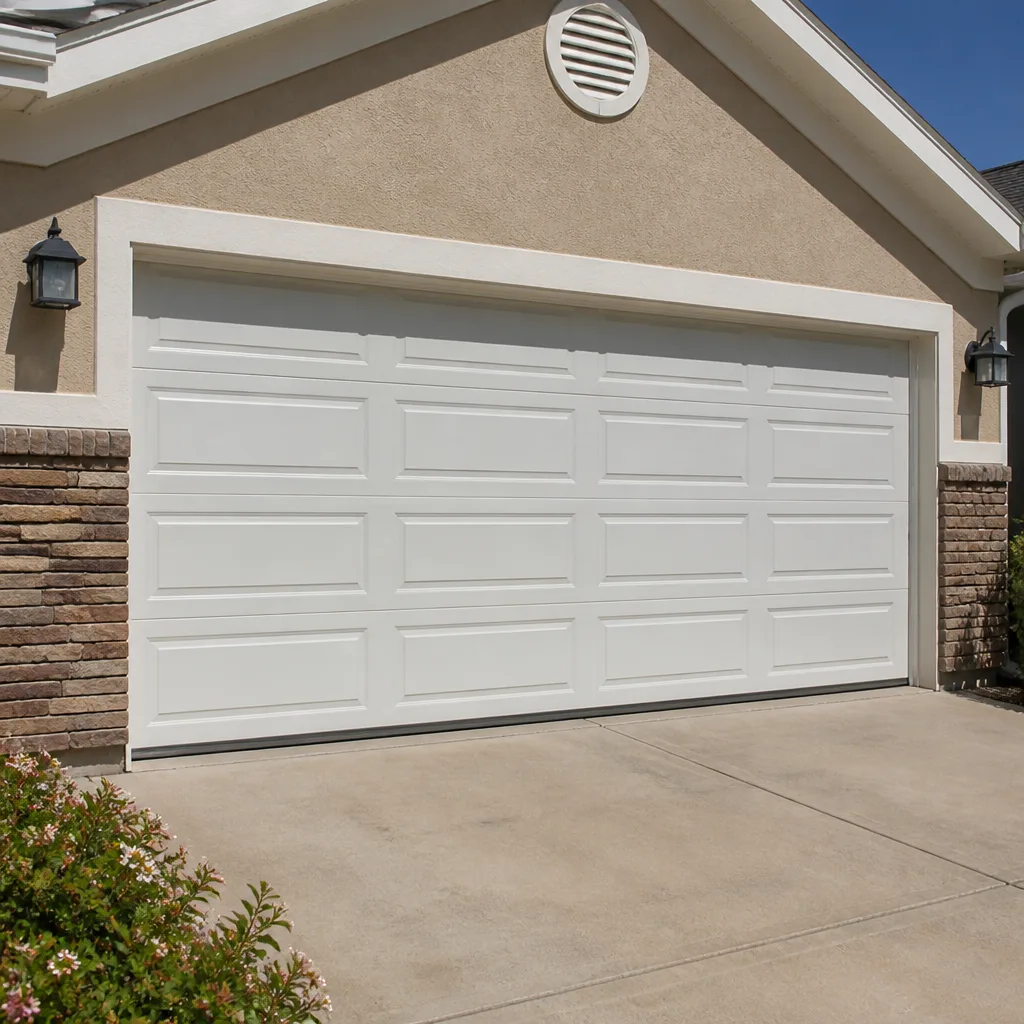 Raised-panel steel
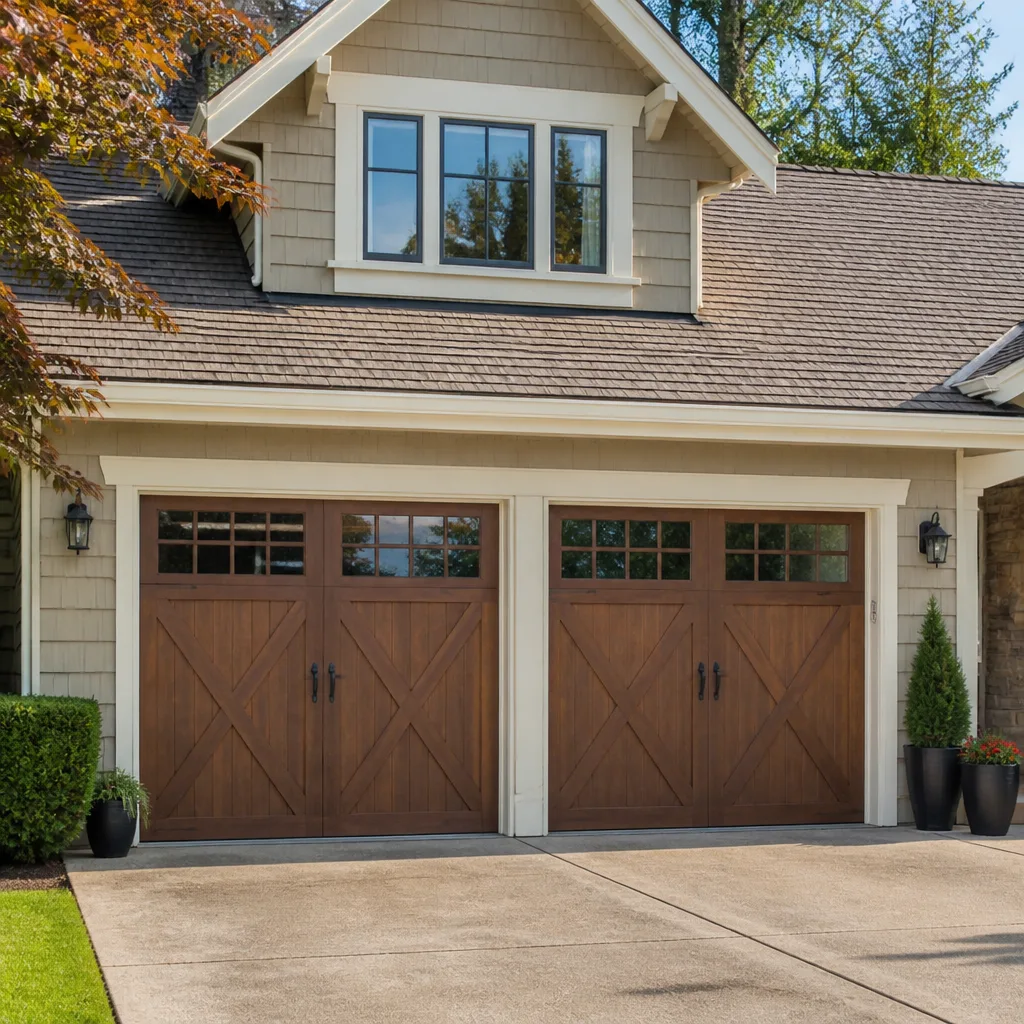 Carriage house
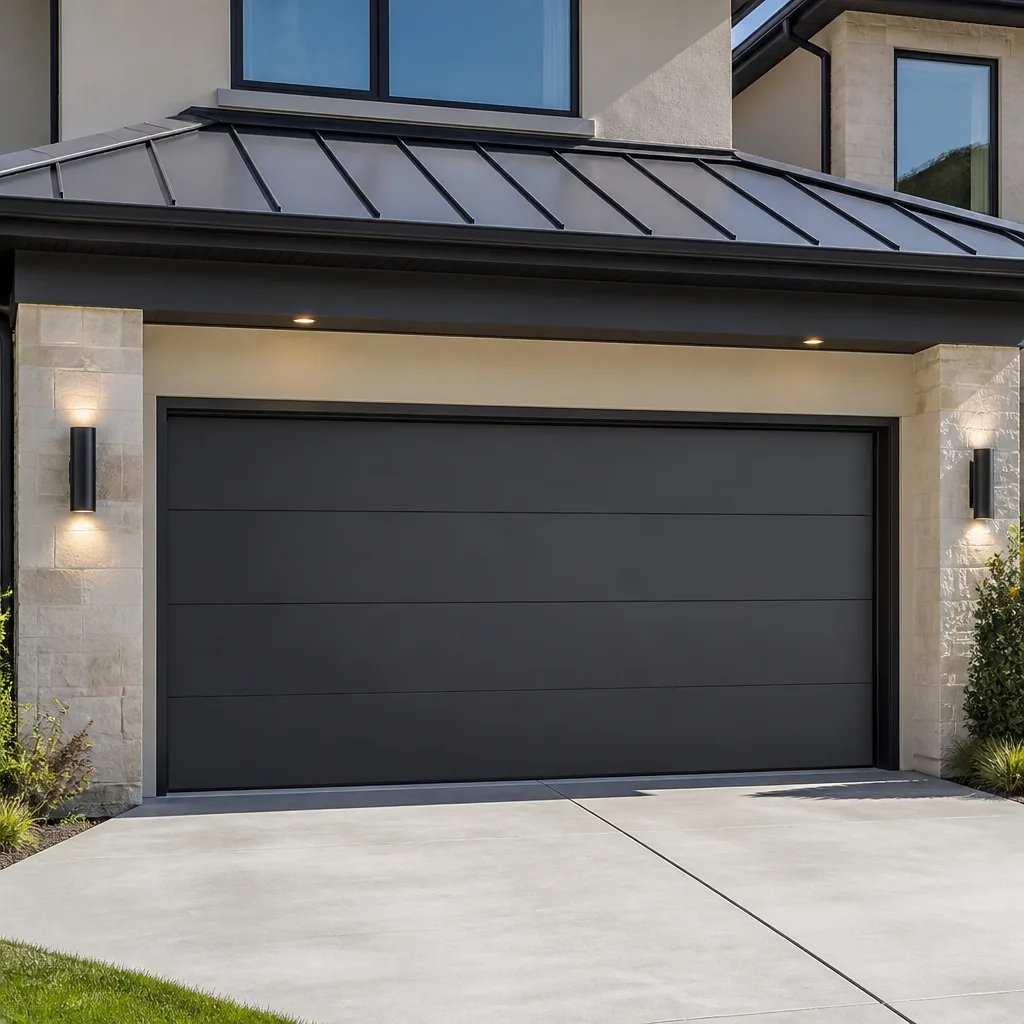 Modern flush
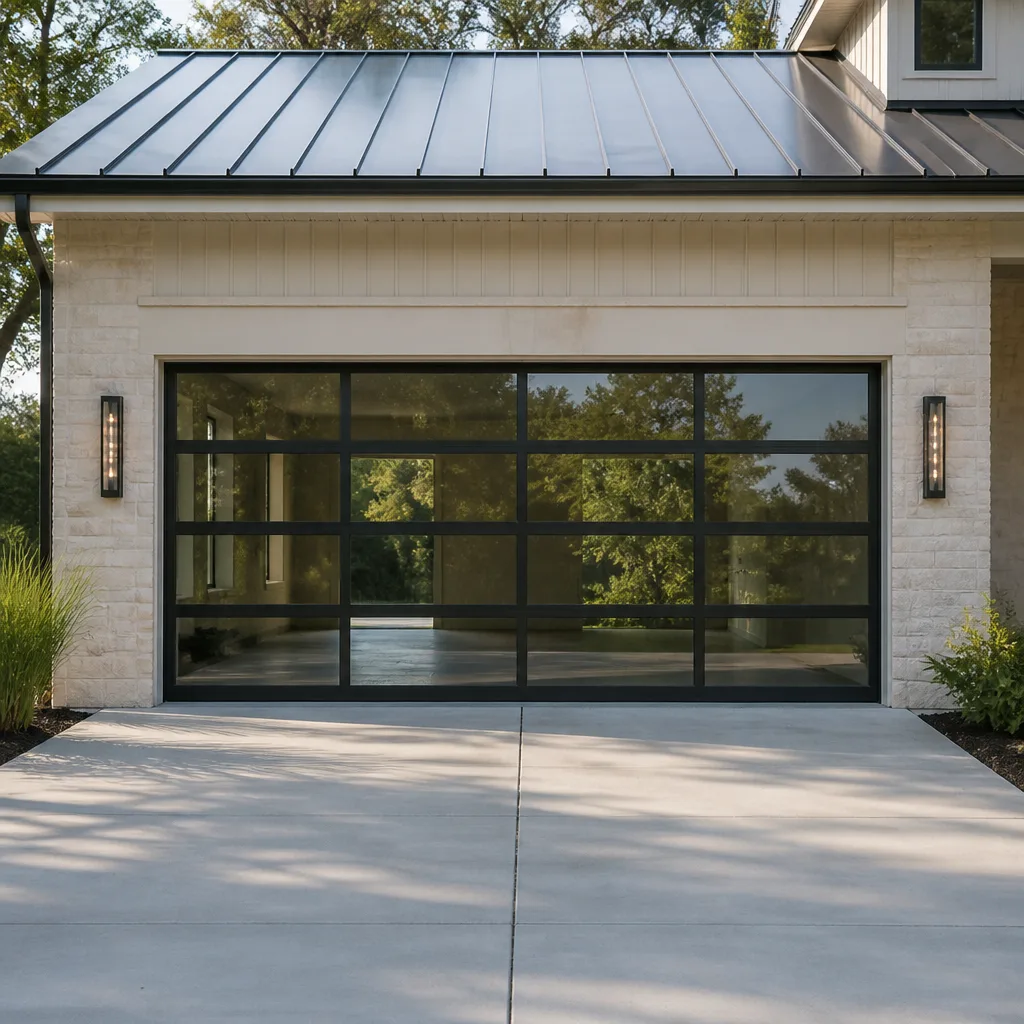 Full-view glass
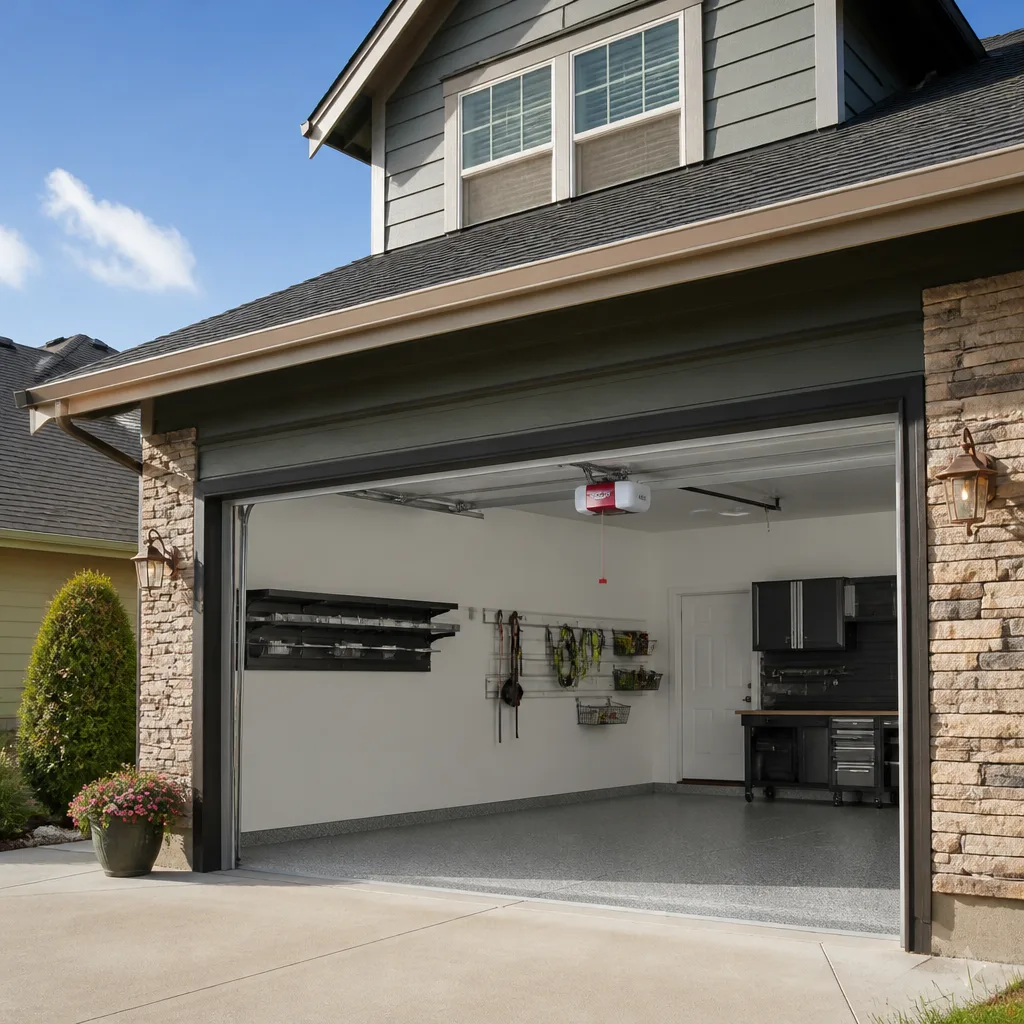 LiftMaster openers
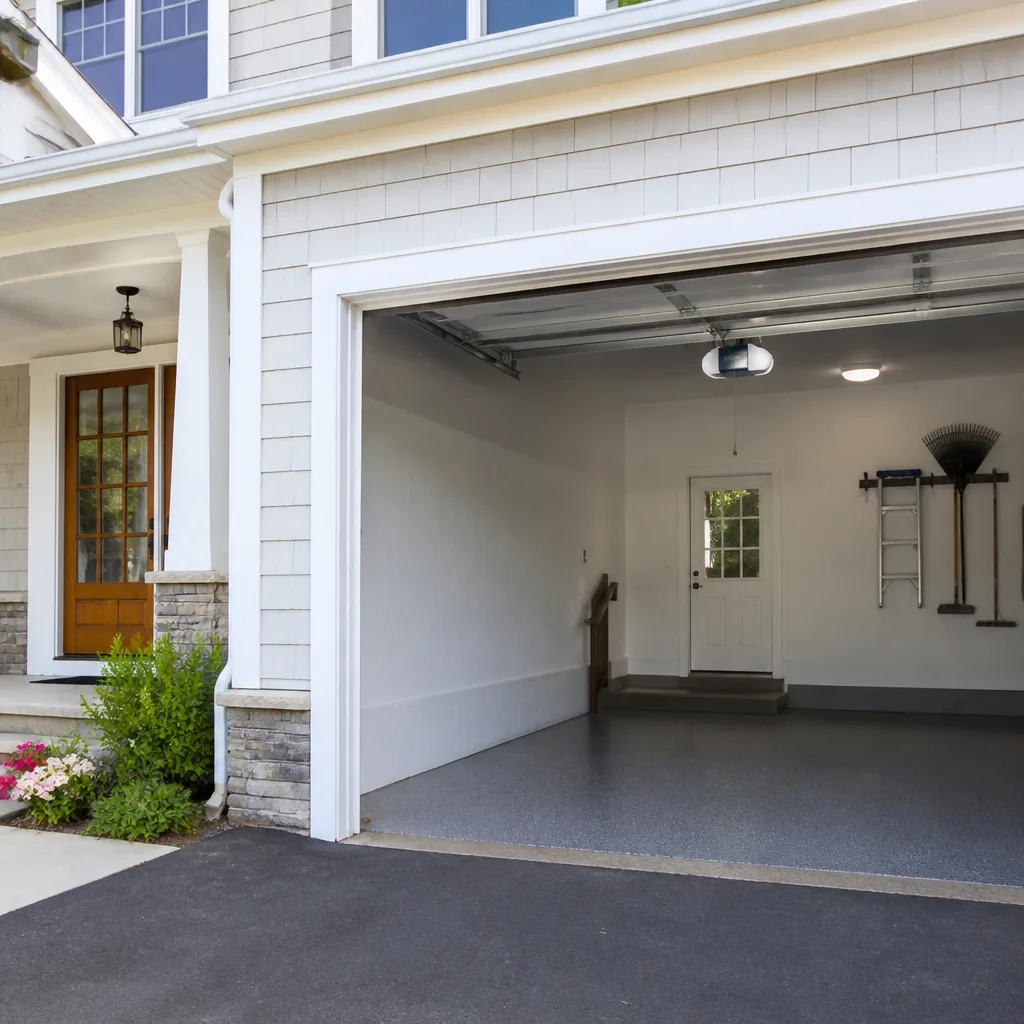 Chamberlain openers
Full 25-point door and opener safety check with every visit - springs, cables, rollers, tracks, and your LiftMaster or Chamberlain opener included
You get a price before we start. It does not change when the pro arrives.
Get your free estimateGarage Door Warning Signs: A Laredo Homeowner’s Reference Guide
A garage door that hesitates for two seconds before it opens isn’t a small quirk to live with. In most cases it’s a torsion spring within weeks of snapping, and in Laredo’s heat-cycling environment that countdown runs faster than most national guides assume. The signs homeowners notice first – a grind, a shudder, a gap of daylight under the bottom seal – are usually the cheapest repairs to catch early and the most expensive to ignore. This guide maps symptoms to likely causes, ranks each one by urgency, and flags the failure modes we see most often in Laredo that generic checklists leave out.
Styles & brands we work with
- Raised-panel steel
- Carriage house
- Modern flush
- Full-view glass
- LiftMaster openers
- Chamberlain openers
Quick Answer
The most urgent garage door warning signs in Laredo are a door that hesitates or lifts unevenly (a spring nearing failure), a snapping or popping sound (a fatigued spring or cable), and a door that reverses before closing (an opener or safety-sensor fault). Cracked bottom seals, frayed cables, and grinding tracks are usually a fix-within-30-days issue. Anything involving a broken spring or a visibly frayed cable should be handled by a trained technician, never adjusted by hand.
Table of Contents
- Symptom-to-Cause Index: What Each Sound and Movement Means
- How to Tell a Spring Problem From a Cable Problem
- Laredo-Specific Warning Signs National Guides Miss
- The Three-Tier Urgency System: Today, 30 Days, or Monitor
- The Warning Signs Homeowners Ignore Until It’s Expensive
- Opener Warning Signs and What Causes Them
- A Monthly Walk-Around Checklist for Laredo Doors
- Common Mistakes to Avoid
- When to Call a Professional
- Frequently Asked Questions
Symptom-to-Cause Index: What Each Sound and Movement Means
Most garage door problems announce themselves well before the door stops working. Matching what you hear and see to a probable cause is the fastest way to know whether you’re looking at a routine adjustment or a same-day Garage Door Repair Laredo. Here’s how we read the common symptoms.
Sounds
- Grinding – usually dry or misaligned rollers and hinges, or metal-on-metal in the tracks. Frequently the least urgent, but grinding wears parts faster.
- Squealing or whining – worn rollers, a dry torsion tube, or an opener gearbox losing its bearings.
- Popping or snapping – a torsion spring that has just broken, or a cable that has slipped its drum. This is the loudest warning and the most urgent.
- Rattling – loose hinge bolts, a loose panel, or a vibration traveling through the track. Tighten nothing on a spring assembly – call for the rest.
Movement
- Hesitation before it opens – a spring losing tension. Heat speeds this up.
- Lifting crooked – one spring working harder than the other, or a cable off its drum.
- Stops and reverses – an opener safety-fault or an obstruction a sensor is reading.
- Slams down – a spring or cable problem the opener is trying to compensate for.
Visual signs
- Gaps in the bottom seal or daylight at the corners.
- Bent, cracked, or warped panels.
- Frayed strands on the cable.
- Track that’s bowed or separated from the frame.
In our experience, a three-second rule is a useful filter. Watch the door from the closed position: if there’s a visible pause before the panels start moving, don’t wait for it to get louder. This city’s door garage door repair calls often start exactly there.
How to Tell a Spring Problem From a Cable Problem
The spring lifts and the cable rides over a drum at each top corner, so the two fail in different ways. A torsion spring that’s lost tension typically produces a door that feels heavier than usual and a hesitation before it lifts. A worn cable usually produces a door that lifts unevenly, with the panels visibly out of level and a grinding or snapping sound as the cable slips the drum.
What you can safely check
- Look up at the torsion bar. If the spring is visibly snapped or separated into two coils, it’s a spring failure.
- Look at the cables on the back of the door at each corner. Frayed strands, a kink, or a cable that’s off the drum points to a cable problem.
- Close the door and watch the bottom edge on a level floor. One side hanging low suggests a cable or a drum issue.
- Stand a few feet back and watch the door lift. Crooked lift is usually a cable or drum; a straight-but-slow lift usually points to the spring.
That’s as far as a homeowner should go. Both springs and cables are under high tension. A torsion spring or a cable that lets go under load can cause serious injury, so we never advise a homeowner to loosen, tighten, or remove either one. A trained technician has the winding bars, the correct spring sizing, and the experience to do the work safely. Our technicians have up to 14 years of experience, and matching a replacement spring to the door weight is the difference between a fix and a callback.
Laredo-Specific Warning Signs National Guides Miss
Most garage door guides read the same wherever you live, and that’s a problem. Laredo’s climate puts a different kind of wear on a door. Summer heat and the repeated heat-and-cool cycle speed up parts that rely on tension, and the dry, dusty air carries grit that a milder climate never sees. A door that’s fine in a cool, damp climate can be closer to failure here.
UV crack patterns on the bottom seal
The vinyl or rubber seal along the bottom edge takes the most direct sun. In Laredo’s summer sun a seal that’s a few years old can crack from the outside in, and once it cracks you’ll see daylight under the door, feel a draft, and notice insects and dust getting in. It’s also the first sign of a security gap. A cracked seal is easy to check and inexpensive to replace, and we see it caught late on more doors here than any other visual warning.
Caliche dust and track buildup
Dust from the region’s caliche and surrounding dry ground settles into the track channels. It combines with lubricant to form a gritty paste that slows the door, wears rollers, and makes the door feel heavier than it did a year ago. A door that suddenly feels stuck in the tracks is often a coating of that buildup, not a hardware failure.
Heat-warped door sections
Steel and aluminum panels expand and contract with temperature. On a door that’s been getting direct sun for years, panels can warp at the edges and the seams start to separate. A warped panel binds against the track and pulls the door out of level, which wears the cables and the opener at a faster rate. That warping is a reason to schedule a replacement review, not to force the door closed.
A door from one of the major brands – a Clopay or Amarr, a Wayne Dalton, a Craftsman opener on any door – shows these signs the same way. The equipment doesn’t matter as much as how quickly you respond to the first symptom.
The Three-Tier Urgency System: Today, 30 Days, or Monitor
You don’t need a technician to tell you how soon to act. You need a simple filter that tells you what’s safe to schedule and what’s safe to ignore. Here’s how we coach a homeowner to sort the signs they find.
Fix today
- A snapped torsion spring.
- A visibly frayed cable or one off its drum.
- A door that will not close, closes on its own, or reverses before it meets the floor.
- A door that drops or slams.
- Any smoke, burning smell, or sparking around the opener or its wiring.
A door that fails to close leaves the house open. Stop using the door and call for service.
Fix within 30 days
- Grinding, squealing, or rattling that has started or gotten worse.
- Crooked lift, but the door still operates.
- Cracked or gaping bottom seal.
- Tracks with caliche buildup or a slight bow.
- An opener that hesitates, runs slow, or needs a second press to respond.
Monitor monthly
- Occasional noise that hasn’t changed in months.
- Minor cosmetic dents with no functional effect.
- Panels that look faded but aren’t warped or binding.
- Weather seal at the top and sides that’s still intact but shows wear.
If you’re unsure which tier a sign belongs to, describe it over the phone – our opener repair and door repair specialists can usually place it fast. See the garage door opener repair page for the opener-specific version of this list.
The Warning Signs Homeowners Ignore Until It’s Expensive
The most expensive garage door repairs usually start with a sign a homeowner noticed and decided to wait on. Here’s the short list of what routinely gets ignored, sorted by how much it tends to cost to catch late.
- A hesitation before the door lifts. Treated as a quirk. Usually a spring under strain that goes from “slow” to “broken” without warning. Catching it early avoids a call at the worst time.
- Grinding that “still works.” Worn rollers and dry hinges wear against the track, and the track bows. The repair scales up with the delay.
- A cracked bottom seal. Ignored until daylight, rain, or pests make the point. It’s one of the cheapest jobs on this list.
- An opener that needs a second press. Usually a circuit issue or a worn gear – and in heat a small problem becomes a full board failure. Opener diagnosis beats waiting for the next breakdown.
- Caliche buildup in the track. Left alone, the door drags, the opener works harder than it should, and the motor’s life shortens.
- A slightly warped panel. Binds the door, stresses the cables, and eventually pulls the track out of line.
- A crooked lift. A cable symptom that goes unattended until the door jumps the track.
Some of these are two-hundred-dollar decisions if caught early and much more if they cascade. That’s the reason we recommend a quick look every month, not a repair every month.
Opener Warning Signs and What Causes Them
The opener is the part homeowners understand least and replace most needlessly. In Laredo, heat is the under-reported culprit. An opener that sits under a sun-baked ceiling in a closed garage runs hotter than its design is comfortable with, and the circuit board is the first part to feel it.
What a heat-stressed opener sounds and acts like
- Random behavior – works, then doesn’t, then works again.
- Stops mid-travel for no reason.
- Forgets its travel limits and beeps or blinks an error pattern.
- Runs for a few seconds and gives up.
- The remote works fine, but the wall button doesn’t (or the reverse).
Those symptoms are often consistent with a failing circuit board, a worn drive gear, or a limit switch out of adjustment. A Gear-and-sprocket wear is one of the most common failures on belt and chain openers from any major brand – LiftMaster, Chamberlain, Genie, Craftsman, Raynor, or a brand you don’t recognize. Each behaves a little differently, and brand-specific knowledge shortens the diagnostic and reduces the callback.
What a sensor warning looks like
If the door reverses on the way down, the safety sensors at the base of the door frame are the first thing to check. They can be knocked out of alignment by a broom handle, a car bumper, or dust on the lens. A door that closes if you press and hold the wall button, but not on its own, is almost always a sensor issue, not a motor issue.
Never open the opener’s electrical cover yourself. Power is live inside, and opener wiring is a genuine electrical hazard. That’s a job for a technician.
A Monthly Walk-Around Checklist for Laredo Doors
A five-minute look once a month catches most of what’s on this list before it turns into a repair. Here’s the routine we suggest to homeowners, in order.
- Watch the door from closed to open. Look for hesitation, crooked lift, or a shudder. Stop using it and call if you see any of the three.
- Listen. Grinding, squealing, or popping are your three sounds to know. Any new one is a signal, not background noise.
- Inspect the bottom seal. Look for cracks, gaps, and daylight. Run a finger along the edge and you’ll feel the difference between a soft seal and a sun-cracked one.
- Look at the tracks. Any visible grit, caliche dust, or a bowed track. Don’t pry on a track – it distorts easily. Report what you see.
- Check the cables. Look at the corners where the cables ride the drums. Frayed strands mean a call today, not next month.
- Test the safety sensors. Wave an object in front of each sensor and confirm the door reverses. Misalignment is the most common cause of a door that won’t close.
- Look up at the door panels. Warping, cracks, and separating seams. Note what you see so you can describe it accurately when you call.
That’s the whole routine. You don’t need tools and you don’t need to touch anything under tension. The point is to know your door’s baseline so you notice when something drifts. If you’re new to Laredo’s climate, the first few months are when you’ll see the local wear patterns show up – especially on a door that came with the house.
Common Mistakes to Avoid
- Forcing a door with a broken spring. A door supported only by an opener motor with no spring tension can crash or burn out the opener. Keep the door closed and call.
- Adjusting a torsion spring by hand. Springs store enormous energy even when they look relaxed. This is the single most dangerous part of a garage door, and a DIY attempt is never worth the risk.
- Replacing the opener to fix a door problem. A door that lifts unevenly, drags, or binds is usually a door problem, not an opener problem. A new opener on a worn door fails the same way.
- Ignoring a caliche-dust buildup in the tracks. In Laredo, it’s the quiet cause of premature roller wear and premature opener strain. Clean the tracks of grit and debris, but don’t grease or pry them on your own – ask us what your track needs.
- Waiting out a cracked bottom seal. Sun cracks widen into full gaps, and a gap means water, dust, and pests get in. It’s a cheap fix early.
- Lubricating with whatever’s in the garage. The wrong lubricant on rollers or hinges traps caliche dust and makes the grinding worse. Use only what the door’s manual calls for.
- Assuming a hesitation is “just the weather.” In our experience, hesitation before lift is often a spring nearing the end of its life. Schedule a look rather than wait for a breakdown.
When to Call a Professional
Some garage door problems are a good fit for a trained technician and only a trained technician. Call for service today if any of these are true: the door has a snapped or visibly relaxed spring, a frayed or slack cable, a door that closes on its own or reverses before it meets the floor, a door that slams, a door that’s jumped its track, or any burning smell, smoke, or sparking at the opener or its wiring. Call within the week for grinding that has started or worsened, crooked lift, an opener that’s behaving erratically, or a warped panel that’s binding the door. For anything involving a spring, a cable, or live opener wiring, keep hands off and let a trained professional handle it. Our technicians have up to 14 years of experience, and every visit begins with a written estimate agreed before any work starts.
Garage Door Repair Laredo offers free estimates in Laredo – call (855) 360-7055. We answer 24/7. Fast dispatch from 7am to 7pm, Sunday through Friday.
Frequently Asked Questions
A hesitation before the door lifts is the earliest common sign, and in Laredo’s heat it usually points to a torsion spring losing tension. Grinding, uneven lift, and daylight under the bottom seal are the next ones to watch. Any of them is a reason to schedule a look early rather than wait for a breakdown. Call (855) 360-7055 for an exact quote – estimates are free.
If the door is grinding or squealing but still lifting straight, you can typically use it for a short while as you schedule service. If it’s popping, snapping, or lifting crooked, stop using it. Those sounds usually mean a spring has failed or a cable has slipped, and forcing the door makes the damage worse. Call (855) 360-7055 if you’re unsure which category your door’s sound belongs to.
Often, yes. A spring failure usually shows up as a slow, straight lift with a visible pause, and a snapped spring is often visible at the torsion bar. A cable problem usually shows as an uneven or crooked lift, with frayed strands visible at the drum. Don’t adjust either component yourself – both are under high tension. A technician can confirm the exact cause on site.
Heat and dust accelerate the parts that fail most. Repeated heat-and-cool cycles stress springs and opener circuit boards, direct sun cracks bottom seals, and caliche dust builds up in the tracks and wears rollers. The repair is the same; the timeline to failure is shorter. That’s why we recommend a monthly look at the door here rather than a seasonal one.
A cracked bottom seal lets in dust, water, insects, and heat, and it widens over time in sun. Once it gaps, the door no longer seals against the floor, which affects both security and the temperature inside the garage. It’s one of the least expensive items on this list to fix early. Call (855) 360-7055 and we’ll schedule a look at the seal along with anything else you’ve noticed.
Yes. Our technicians are state-licensed and insured, and every job starts with a written estimate agreed before any work begins. We service LiftMaster, Chamberlain, Genie, Clopay, Amarr, Wayne Dalton, Craftsman, and Raynor equipment, so we can work on what you already own. Call (855) 360-7055 to book a free estimate for a Laredo home.
The Bottom Line
Most garage door failures are visible and audible weeks before they happen. The strongest early warnings are hesitation before lift, grinding or popping sounds, uneven movement, and a cracked bottom seal. In Laredo, heat and caliche dust shorten the timeline, so catching the first sign matters more here than most national guides suggest. The three-tier system – fix today, fix within 30 days, or monitor monthly – gives you a clear way to sort what you find. And for anything involving a spring, a cable, or live opener wiring, that’s a job for a trained technician.
If your door is showing any of these signs, call Garage Door Repair Laredo at (855) 360-7055 for a free estimate. We answer 24/7. Fast dispatch from 7am to 7pm, Sunday through Friday, and every price is quoted and agreed before work starts.
Written by the team at Garage Door Repair Laredo.
See the difference
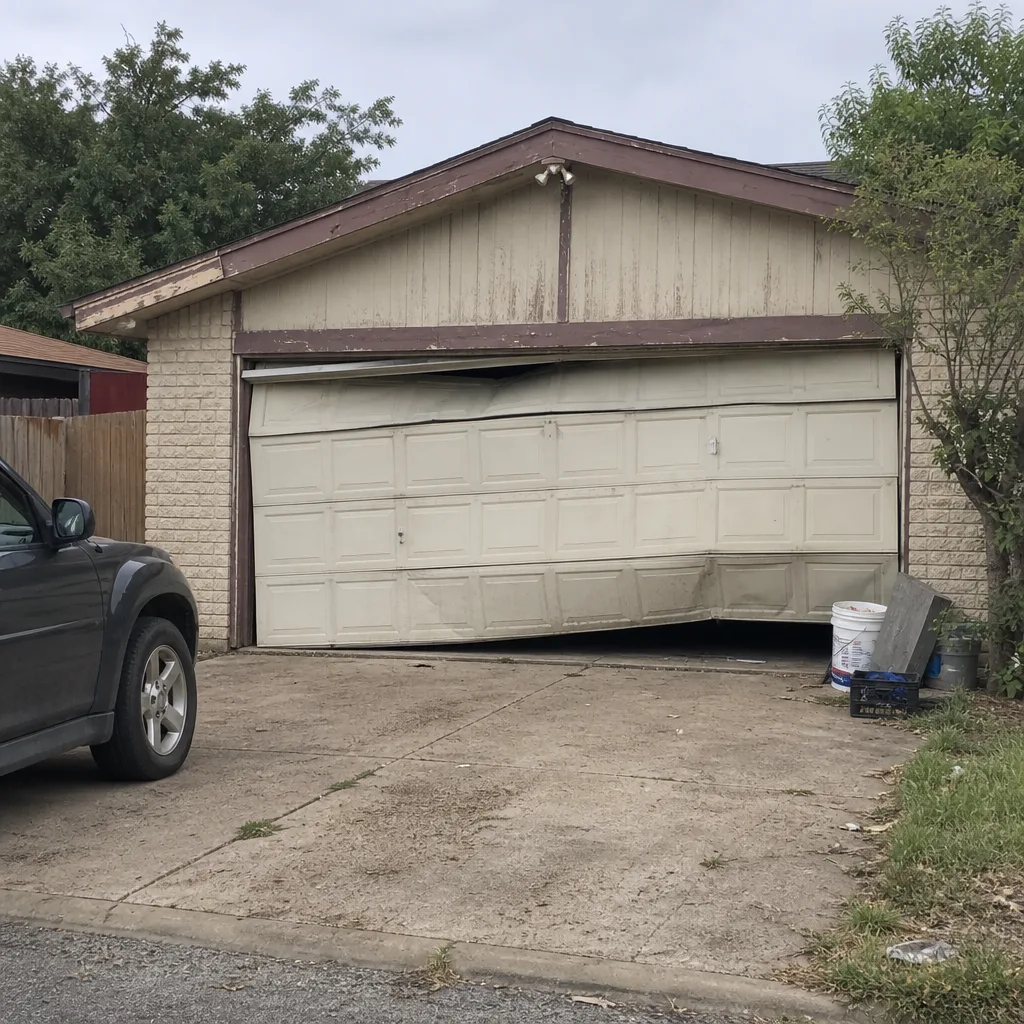 Before
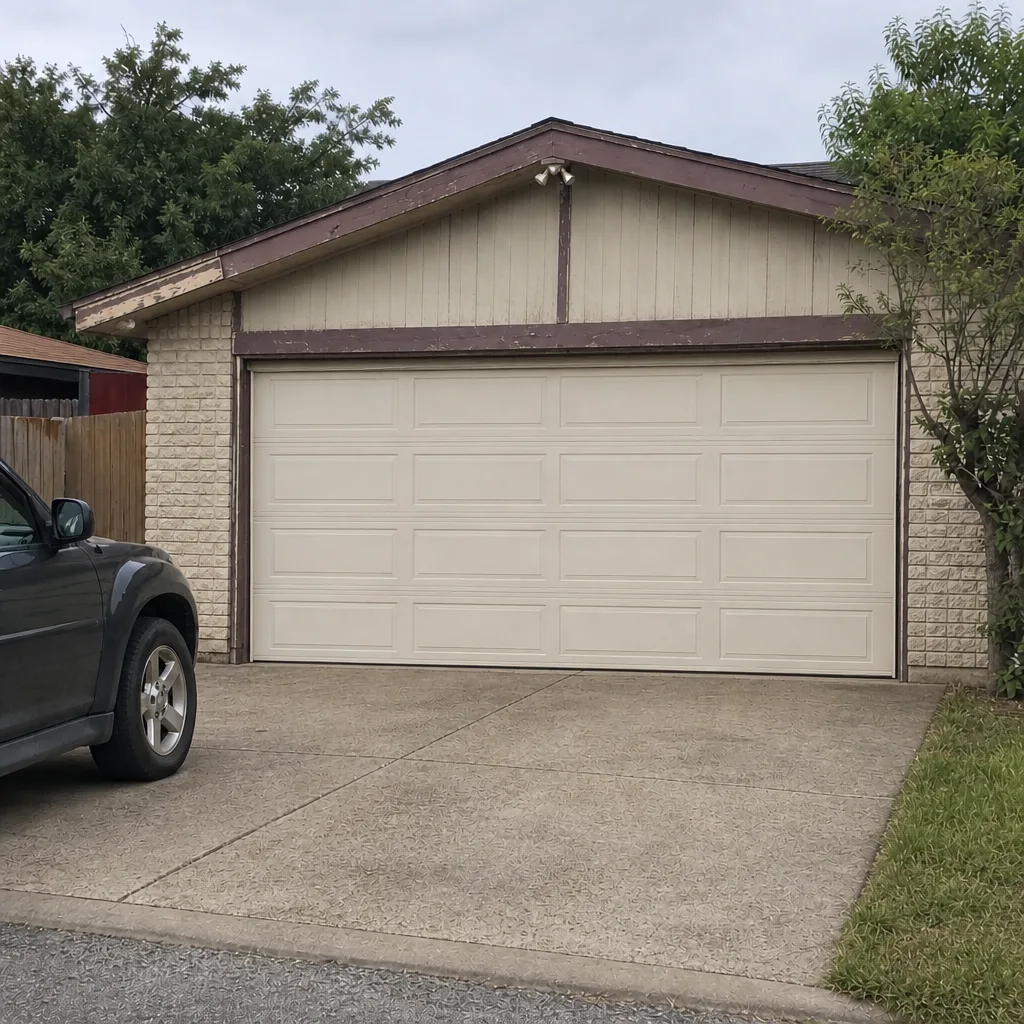 After
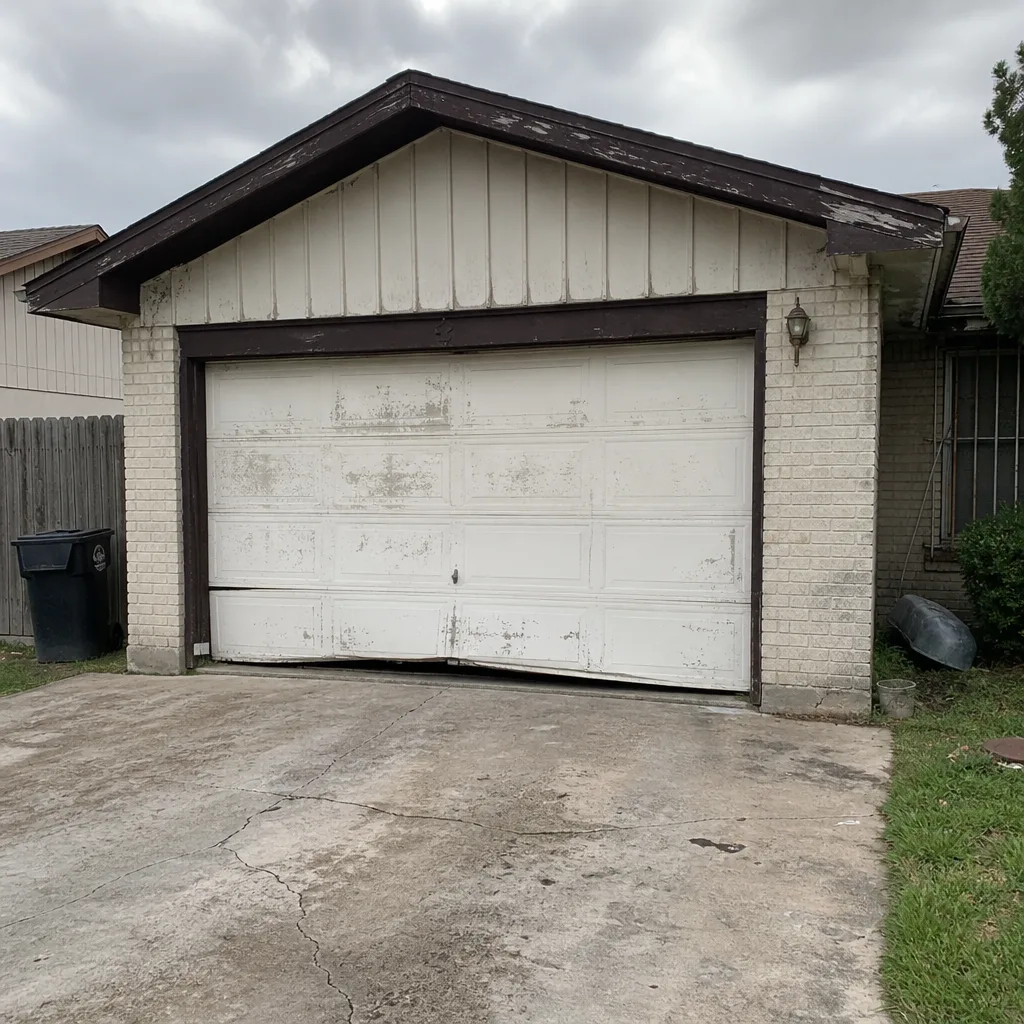 Before
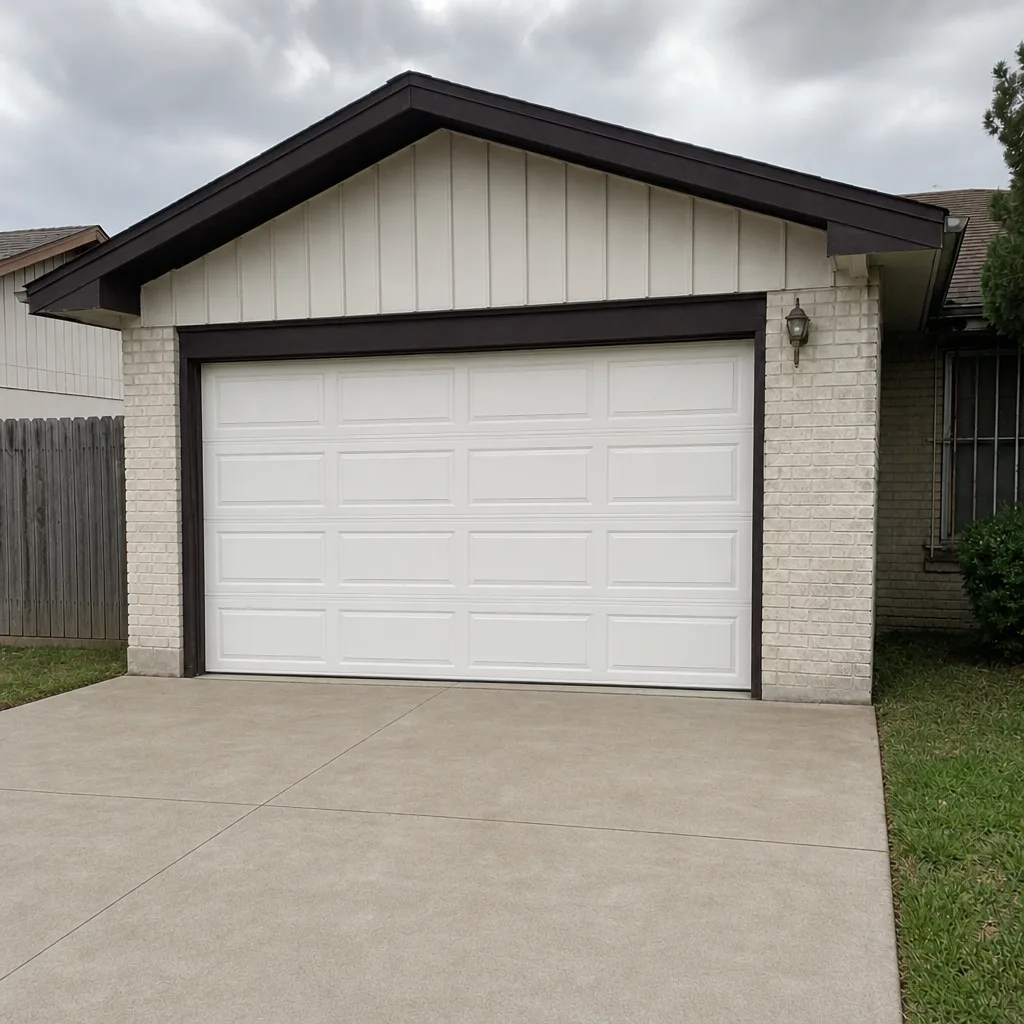 After
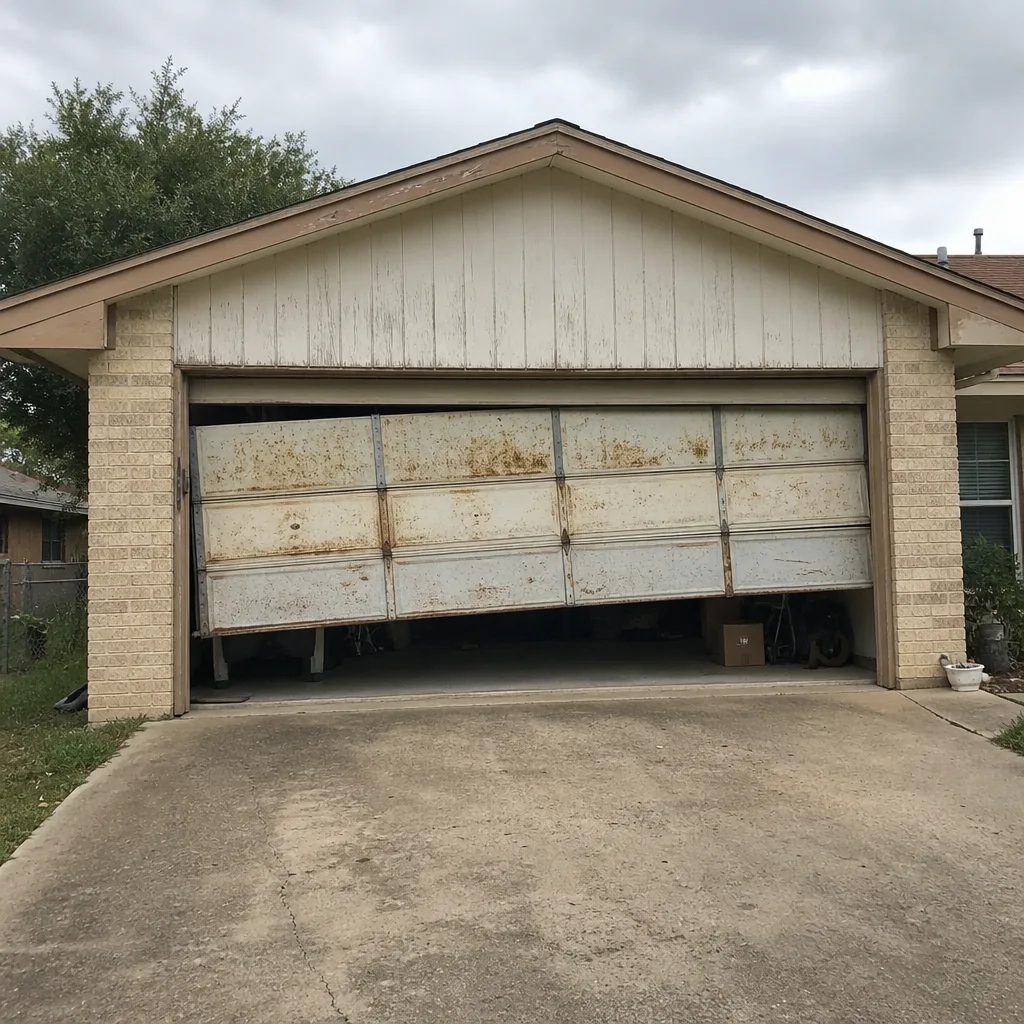 Before
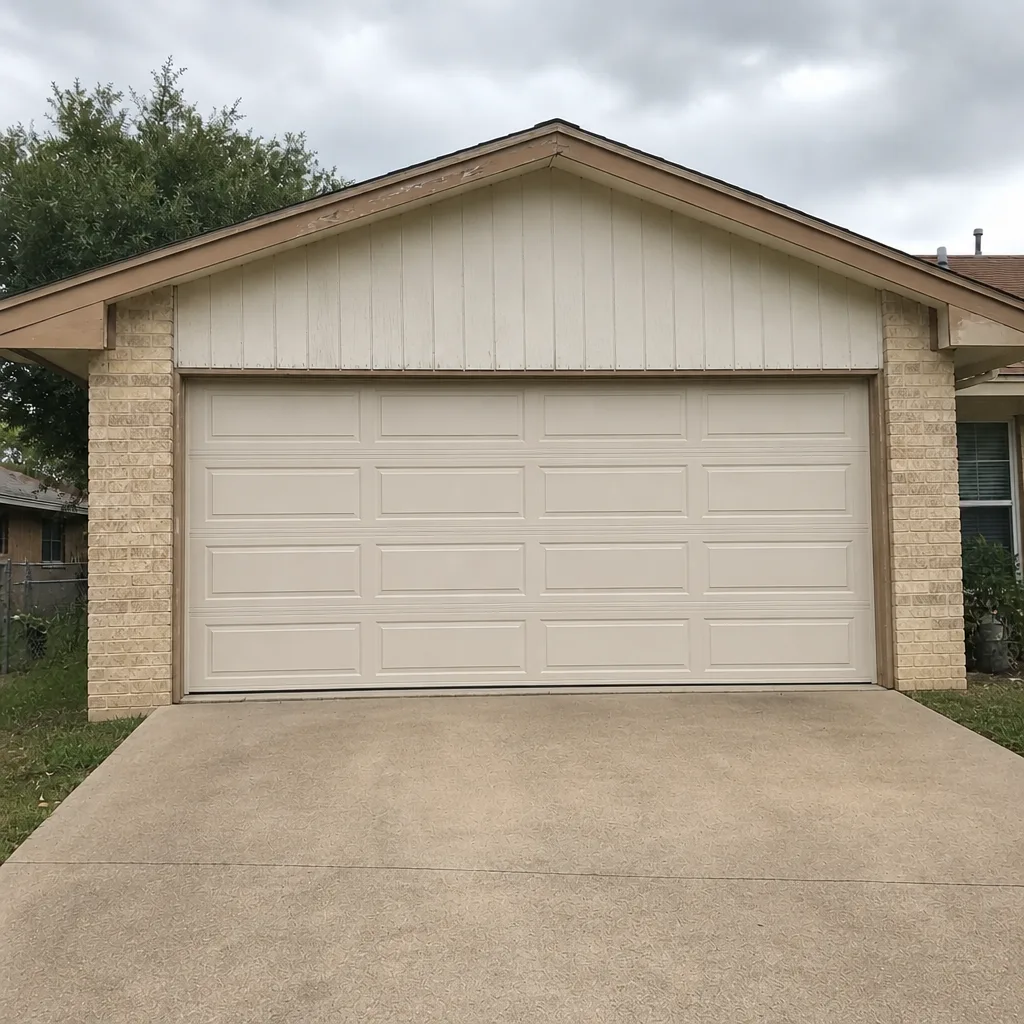 After