
Last updated November 15, 2026
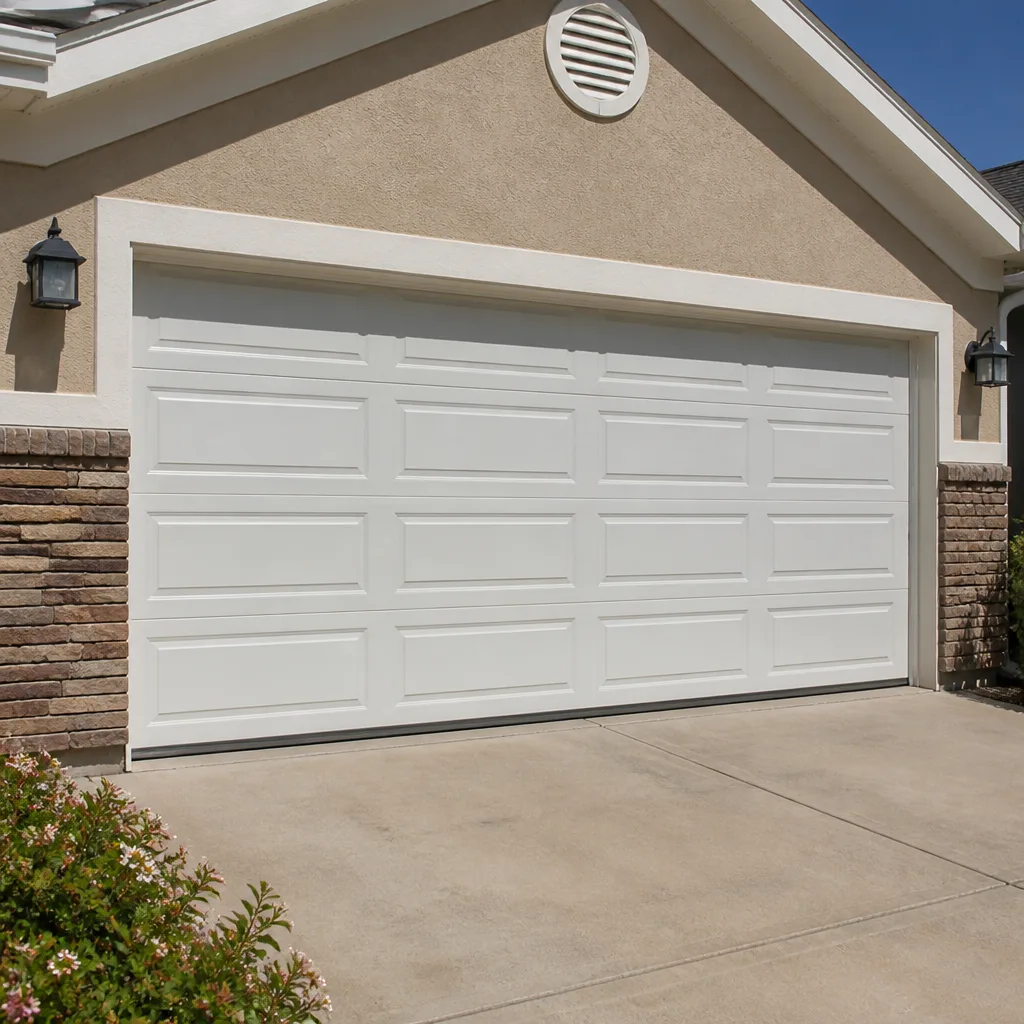 Raised-panel steel
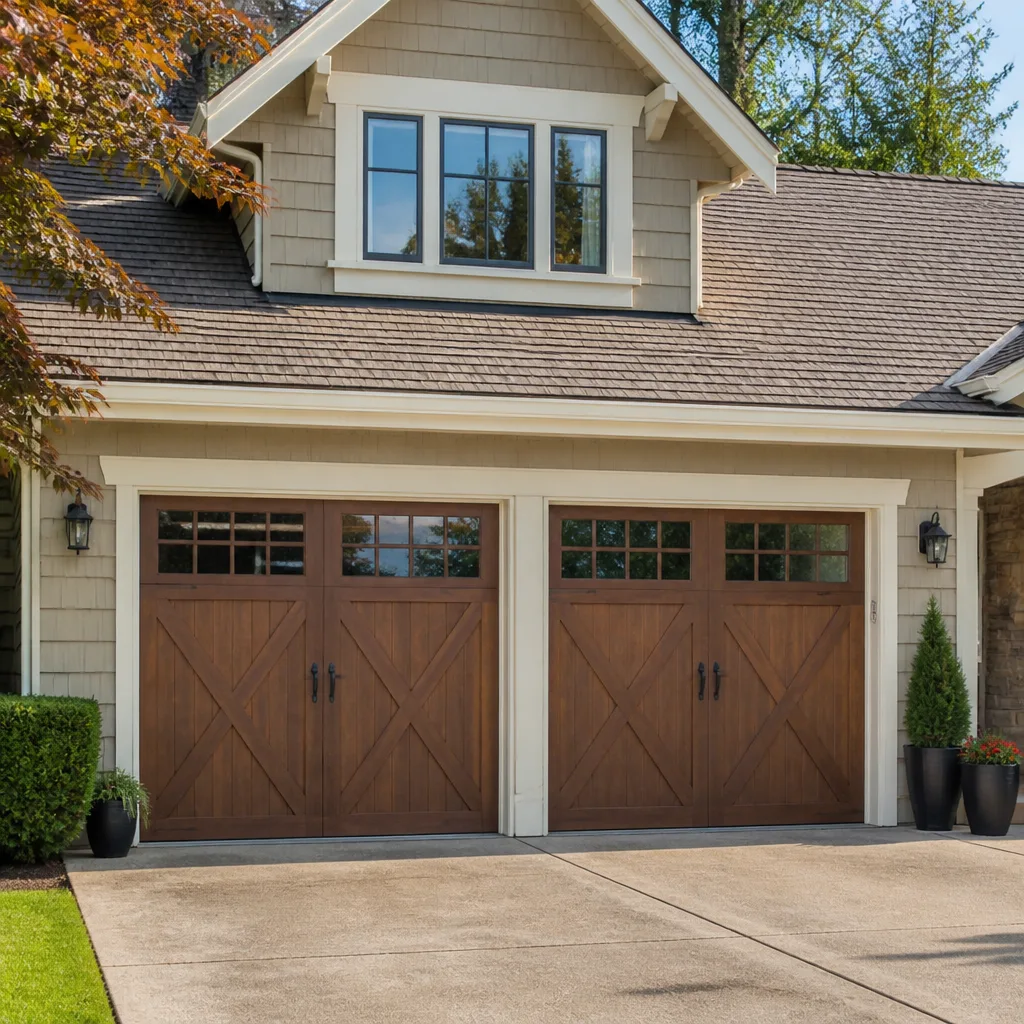 Carriage house
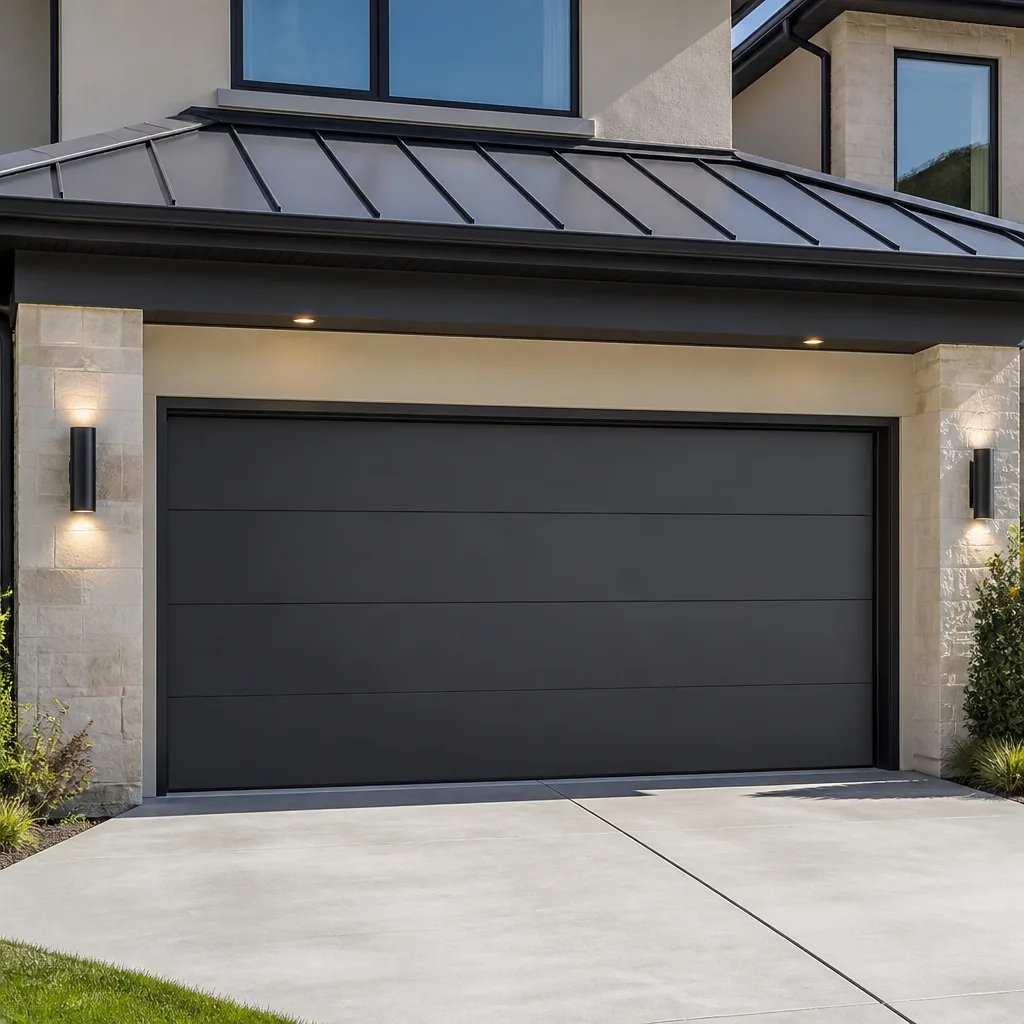 Modern flush
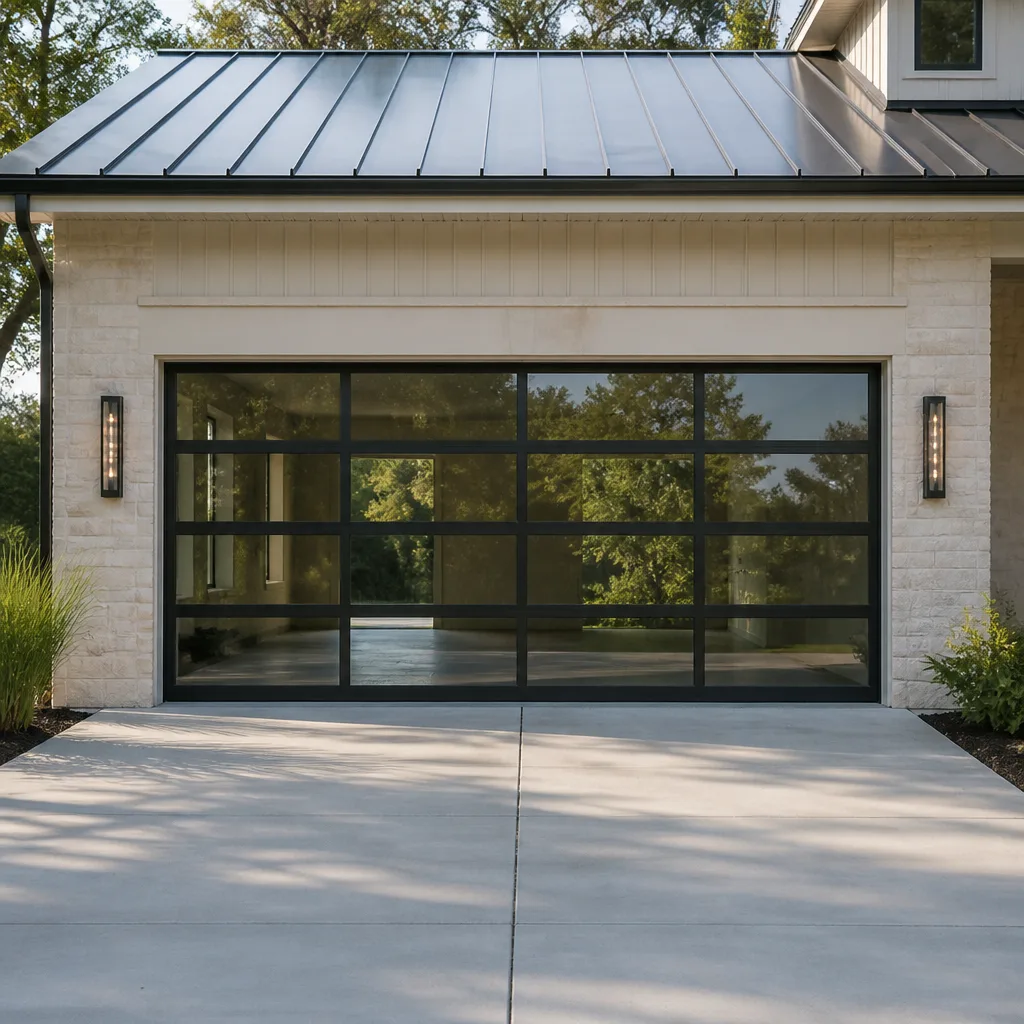 Full-view glass
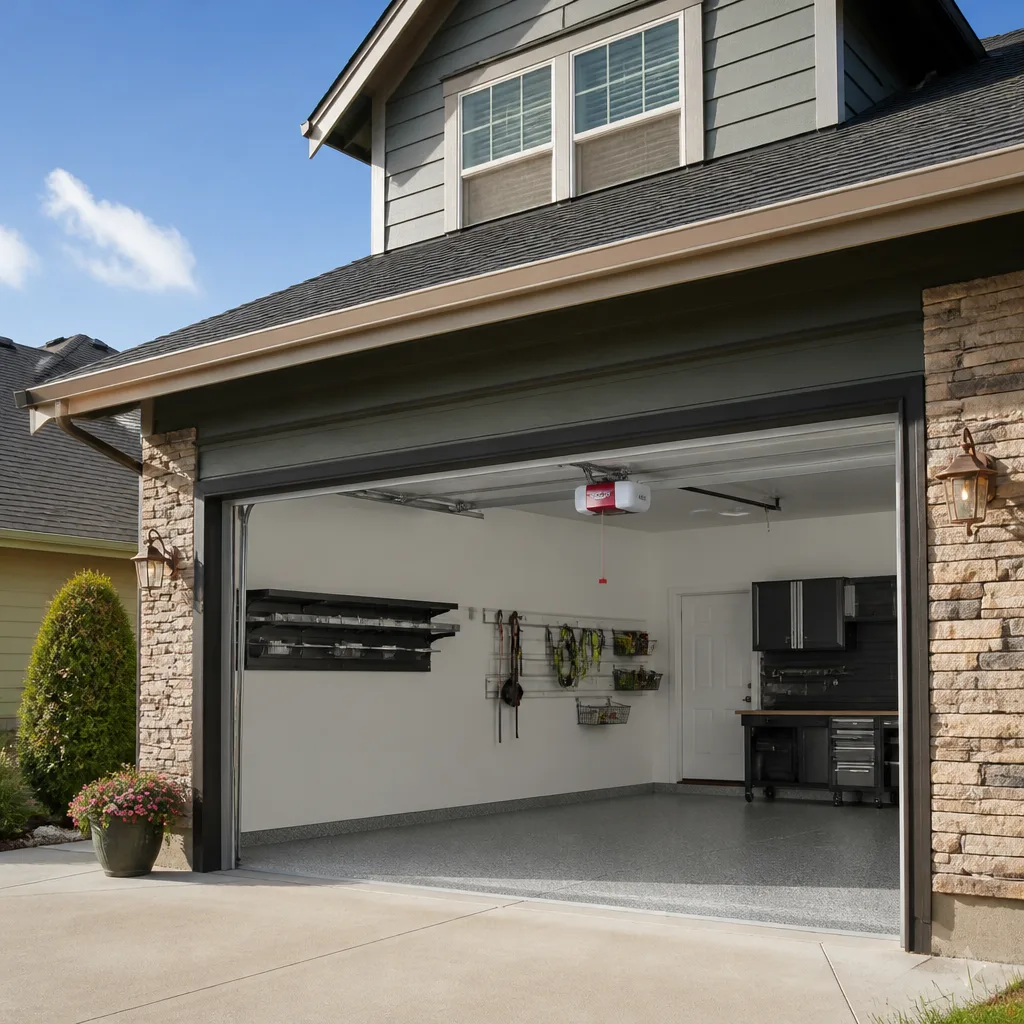 LiftMaster openers
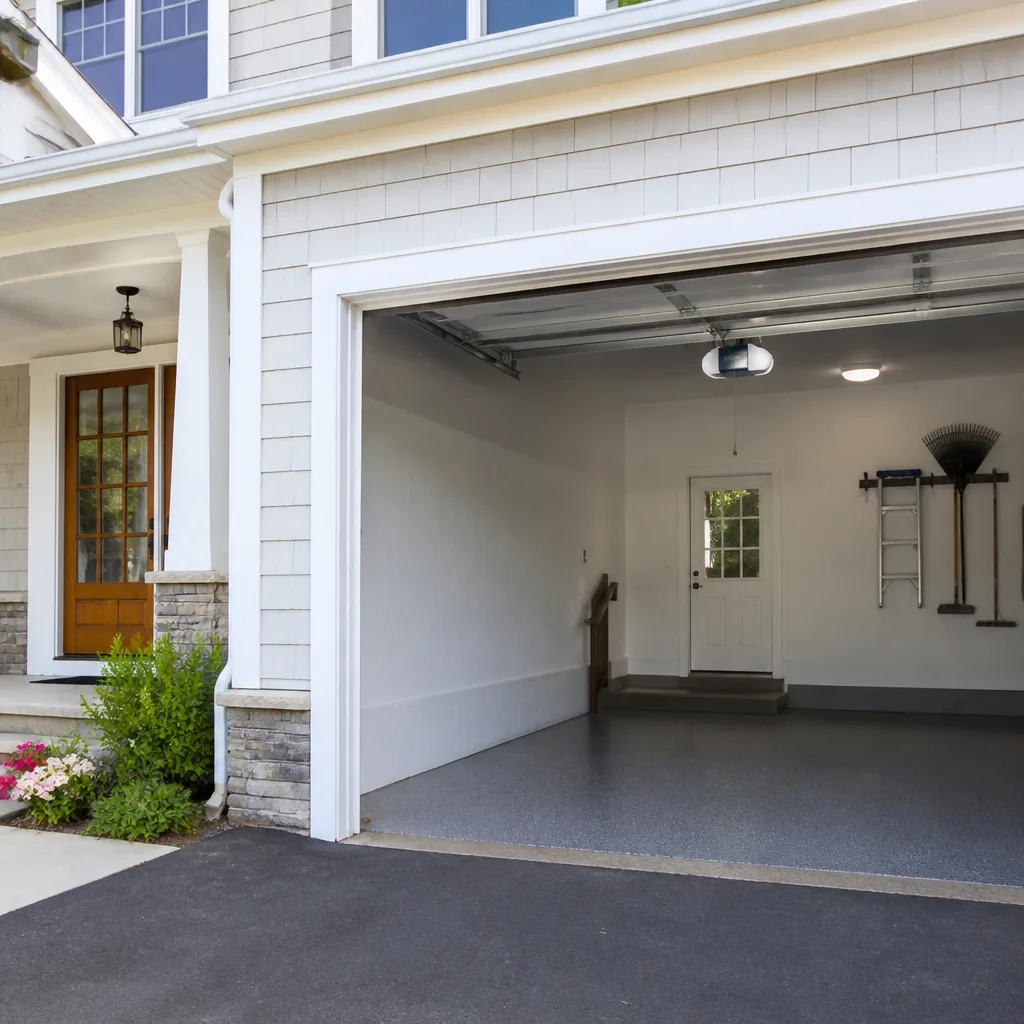 Chamberlain openers
Full 25-point door and opener safety check with every visit - springs, cables, rollers, tracks, and your LiftMaster or Chamberlain opener included
You get a price before we start. It does not change when the pro arrives.
Get your free estimateSeasonal Garage Door Care for Laredo: Year-Round Homeowner’s Guide
Most garage door care guides tell you to winterize. That advice lands sideways in Laredo, where winter is a short, mild pause and the real pressure comes from somewhere else: a long brutal-heat season, a monsoon stretch that puts water against every seal and hinge, and the sharp temperature swings that bookend both. A torsion spring that has cycled through five months of 100°F garage heat doesn’t fail from cold – it fails in September, when the thermostat drops and the metal has to move differently than it has all summer. This guide throws out the spring/summer/fall/winter template and builds a care calendar around what Laredo weather actually does to springs, seals, opener boards and cables. You’ll learn what to check, when to check it, and when a job belongs in the hands of a technician.
Quick Answer
Garage door care in Laredo should follow three real phases, not four calendar seasons: a heat phase from May through September, a monsoon phase that overlaps it in July through September, and a mild window from October through February. The heat phase stresses opener circuit boards, rubber seals and spring metal. The monsoon phase threatens bottom seals, drainage and rust-prone hardware. The mild window is when spring replacement and cable inspection make the most sense – before the heat returns. Inspect on a set schedule, lubricate moving metal monthly in summer, and leave springs and cables to a trained technician.
Styles & brands we work with
- Raised-panel steel
- Carriage house
- Modern flush
- Full-view glass
- LiftMaster openers
- Chamberlain openers
Table of Contents
- Why Laredo Has Three Garage Door Seasons, Not Four
- The May-September Heat Phase: What Sustained High Temps Do
- Monsoon Season (July-September): Water, Seals and Rust
- The October-February Mild Window: The Right Time for Spring Work
- How Temperature Cycling Causes More Failures Here Than Cold Does
- Your Laredo Garage Door Care Calendar
- Brand-Specific Care Notes: LiftMaster, Chamberlain, Craftsman and Raynor
- What to Check Yourself and What to Leave Alone
Why Laredo Has Three Garage Door Seasons, Not Four
Garage door hardware doesn’t respond to the calendar. It responds to heat, moisture and movement. In Laredo, those three inputs cluster into a pattern that looks nothing like the four-season model most maintenance guides assume.
Here’s the honest breakdown of the year from a garage door’s point of view:
- Heat phase (May through September): Garage interiors run hotter than outdoor air, and an attached garage with a west-facing door can sit well above the outside temperature for hours each afternoon. Metal expands, rubber softens, and opener electronics run continuously in an environment they weren’t designed to love.
- Monsoon phase (July through September): This overlaps the heat phase. Driving rain and sudden downpours find every gap in a bottom seal, every loose fastener, and every spot where paint has worn thin on a hinge or track bracket. Water sitting against untreated steel starts the rust clock.
- Mild window (October through February): Daytime temperatures moderate and nighttime cooling is real. This is the stretch where a technician can work comfortably, where spring tension behaves predictably, and where you have time to fix what summer wore out before the next heat phase starts.
What’s missing from that list is a true cold season. Laredo doesn’t get the sustained freezes that drive the classic winterizing advice, which means the wear patterns here skew toward heat fatigue and moisture intrusion rather than freeze damage. That distinction matters because it changes which parts you watch and when. A homeowner near downtown Laredo watching for frost damage is watching for the wrong thing.
When you understand which phase you’re in, the care tasks organize themselves. Garage Door Repair Laredo handles the parts of this that belong to a specialist; the rest of this guide is about the parts that belong to you.
The May-September Heat Phase: What Sustained High Temps Do
Sustained heat is the single biggest driver of garage door wear in Laredo, and it hits three components hardest: the opener’s circuit board, the rubber seals, and the spring metal itself. Each one fails differently, so each one needs its own watch.
Opener circuit boards
Modern openers – LiftMaster and Chamberlain units especially – pack a logic board, a radio receiver and a transformer into a plastic housing that usually sits on the ceiling of the hottest room in the house. Heat accelerates the aging of the capacitors and solder joints on that board. The symptoms show up gradually: a remote that needs two presses, a wall button that sometimes doesn’t respond, a door that reverses for no clear reason. When we diagnose an opener, we’re looking at the board as a heat-stressed component, not just a mystery box that stopped working. That’s why we treat garage door opener repair as its own specialty rather than an afterthought to door panel work.
Rubber seals and weatherstripping
The bottom seal and the perimeter weatherstripping are the parts most exposed to heat, and heat is what makes rubber go brittle. A seal that was soft in March can be cracked and hard by August. Once it loses flexibility it stops sealing, which lets in dust, insects and – in the monsoon months – water. Run your hand along the bottom seal in early summer and again in late summer. If it feels stiff or you see cracking, it’s due for replacement before the rains arrive.
Spring metal fatigue
Torsion and extension springs are under constant tension, and heat cycling through expansion and contraction adds stress to metal that’s already working hard. Springs don’t fail because of one hot day. They fail because of hundreds of them, plus thousands of open-and-close cycles. In our experience, the tail end of the heat phase is when spring problems surface most often. Watch for a door that feels heavier than it used to, a gap between the door and the header when closed, or a loud bang from the garage. Those are signs to stop using the door and have it looked at.
If you’re already hearing odd noises or the door is moving unevenly, that’s the moment to look at garage door repair options rather than waiting for a full failure. A technician with up to 14 years of experience can tell you in a few minutes whether you’re looking at a spring, a cable or a roller problem.
Monsoon Season (July-September): Water, Seals and Rust
Monsoon rain finds every weakness in a garage door system, and the checks that matter most are drainage, bottom seal integrity and rust-prone hardware. A door that’s been dry all spring can start letting water in after the first heavy storm, and the damage compounds if you don’t catch it.
Here’s what a monsoon-season inspection should cover, in order:
- Check how water reaches your door. Look at the ground in front of the garage. If it slopes toward the door, storm water pools against the bottom seal instead of draining away. A shallow swale or a cleared path for runoff makes a real difference before the first big rain.
- Test the bottom seal. With the door closed, look for daylight underneath. Run a hand along the seal for gaps, tears or hard spots. A worn seal lets water wick under the door and sit against the threshold.
- Inspect the bottom of the door panel. The lowest few inches of the door take the most splash. Look for bubbling paint, discoloration or soft spots in the panel skin. Catching this early is much cheaper than replacing a panel section.
- Walk the hardware. Hinges, track brackets, roller stems and bolts are where rust starts first. A light coat of garage-door lubricant on metal-to-metal contact points slows it down. Skip the rollers themselves if they’re nylon – lubricant attracts grit that wears them faster.
- Check the tracks for alignment. Heavy rain doesn’t bend tracks, but a door that’s been running out of alignment for weeks can. Look down each track from the open position and confirm it runs straight and parallel.
- Look at the opener housing. Confirm it’s dry. If you see water stains on the ceiling near the opener, you have a roof or ventilation issue to sort out before it reaches the electronics.
Rust is cumulative. A little surface rust on a hinge in August becomes a seized hinge by the following summer. Treat monsoon season as the time when you slow corrosion down, not the time when you fix it. Anything that’s already seized or badly pitted is a replacement.
The October-February Mild Window: The Right Time for Spring Work
The mild window from October through February is the best time of year in Laredo to replace springs, inspect cables and handle scheduled maintenance. The reasoning is practical: temperatures are moderate enough that a technician can work comfortably, and you’re getting ahead of the heat phase instead of reacting to a failure during it.
Why this timing matters for springs specifically:
- Springs are load-rated for cycles, not years. A spring has a rated cycle life, and the heat phase burns through cycles faster because the door is used more and the metal is stressed harder. Replacing a tired spring in the mild window means it starts fresh into the next season rather than giving out in July.
- Cables are easier to evaluate without heat blurring the picture. Cable wear shows up as fraying, kinks or slack. Cooler weather makes those conditions easier to detect during an inspection.
- Scheduled maintenance fits the season. A full tune-up – lubrication, balance check, safety reverse test, hardware tightening – is something you can put on the calendar for October or November and forget about until spring.
One thing to note about spring pricing: a spring replacement is quoted per spring, and a matched pair is usually replaced together, so a pair costs roughly twice a single spring. Your written estimate will spell out exactly what’s being replaced and why. We quote the price before any work starts, and the written estimate sets the final number.
If your door is more than a few years old and you haven’t had it looked at since the last heat phase, this is also the natural time to consider whether repair still makes sense or whether replacement is the better call. In our experience, a technician can tell you which one fits your situation; the honest answer is sometimes replacement, and sometimes it’s a repair that buys you several more years. If you’re weighing that decision on a Laredo home, a free estimate gives you the numbers to compare.
How Temperature Cycling Causes More Failures Here Than Cold Does
Temperature cycling – not cold alone – is the mechanical story behind most garage door failures in South Texas. The principle is straightforward: every material in a garage door system expands and contracts at a different rate when the temperature changes, and the joints between those materials take the strain.
In Laredo, the cycling is dramatic. A fall day can push the garage interior into the high 90s by mid-afternoon and drop it sharply overnight. That swing repeats for weeks. Each cycle is a small stress event on:
- Spring coils: the metal expands in heat and contracts as things cool, and that movement happens under tension.
- Bolts and fasteners: dissimilar metals expand at different rates, which is exactly how fasteners work themselves loose over time.
- Rubber seals: repeated softening and hardening shortens the life of the material.
- Panel joints: the seams between door sections flex slightly with each temperature swing, and paint at those seams is the first to crack.
Compare that to a northern climate, where the door might sit at a steady cold temperature for months and only cycle significantly at the seasonal transitions. The total number of large cycles per year is lower. In Laredo the cycles keep coming, and they’re steep. The result is a maintenance picture that prioritizes tightening, lubrication and inspection over the winterizing tasks that dominate northern guides.
This is also why a door that “worked fine last month” can suddenly sound rough. It’s not that a single event broke it. It’s that the accumulated cycles finally caught up with a component that was already at the end of its life. Garage Door Repair Laredo sees this pattern often enough that we schedule our recommended inspections to land just before and just after the biggest temperature swings.
Your Laredo Garage Door Care Calendar
Here’s the single-page care calendar built around Laredo weather instead of the standard four seasons. Print it, stick it on the garage wall, and work through it as the year moves.
May (start of heat phase)
- Test the safety reverse: place a small object in the door’s path and confirm it reverses on contact.
- Lubricate hinges, rollers and track contact points with a garage-door-specific lubricant.
- Check the bottom seal for flexibility and cracking.
- Listen for new sounds – grinding, squealing or popping – and note them.
June-July (peak heat)
- Re-lubricate moving metal parts. Heat drives lubricant off faster than cool weather does.
- Check the opener’s behavior: inconsistent remote response and random reversals are heat-stress symptoms worth investigating.
- Confirm the garage is ventilated. If it’s a sealed, unvented space, interior temperatures climb higher and stress every component harder.
July-September (monsoon)
- Walk the ground in front of the door and confirm water drains away, not toward the threshold.
- Inspect the bottom seal for gaps and the door’s bottom panel for water damage.
- Check hinges, bolts and brackets for rust; treat surface rust early.
- Test the door’s balance by disconnecting the opener and lifting the door halfway by hand – it should stay put. If it drops or rises, the springs are out of adjustment.
October-November (mild window opens)
- Schedule a full inspection: springs, cables, rollers, tracks, hinges and opener.
- Replace worn springs and cables now, before the next heat phase.
- Replace a stiff or cracked bottom seal.
- Re-tighten all accessible fasteners.
December-February (mild window)
- Touch up paint on panel seams, hinges and any spot where bare metal shows.
- Test the safety reverse again.
- Confirm the opener’s force settings are correct after a season of use.
- Replace remote batteries – a weak battery mimics an opener failure.
March-April (lead-up to heat phase)
- One more full inspection, especially if anything felt off during the mild months.
- Replace anything that’s near the end of its rated life so it starts the heat phase fresh.
Treat this calendar as a framework, not a rigid schedule. If you notice something between checkpoints – a new noise, a door that doesn’t seal flat, a remote that’s gotten finicky – that’s the moment to act, not the next calendar date.
Brand-Specific Care Notes: LiftMaster, Chamberlain, Craftsman and Raynor
Brand doesn’t change the physics of a garage door, but it does change the specific quirks you’ll see. We’re certified to service eight of the industry’s leading brands – LiftMaster, Chamberlain, Genie, Clopay, Amarr, Wayne Dalton, Craftsman and Raynor – so we see how each system wears across a Laredo year. A few notes on the four you’re most likely to own:
- LiftMaster and Chamberlain: These two share a great deal of internal architecture, which is why our technicians treat their opener boards as a matched pair when diagnosing heat-related issues. The logic boards in both are sensitive to sustained high temperatures, and the most common summer symptom is intermittent remote response. Check the battery in the remote first; if it’s fresh and the problem continues, the opener itself needs a look.
- Craftsman: Older Craftsman openers are common in Laredo homes and built to last, but their age means the electronics are ready for attention well before the mechanical parts are. If you have a Craftsman unit that’s been reliable for years and suddenly starts acting up in July, the board is the first place to look.
- Raynor: Raynor door systems often pair well with careful spring maintenance because their hardware is built to tight tolerances. That’s a good thing, but it means a worn spring or a slightly out-of-alignment track shows up as uneven door travel sooner than it might on a looser system.
The point of brand-specific knowledge isn’t to sell you a particular product line. It’s the opposite: we work on what you already own, and knowing the system means we diagnose faster and troubleshoot the right thing on the first visit. Whether the diagnosis leads to repair or to a replacement recommendation depends on your door, not on which brand we’d prefer to install.
What to Check Yourself and What to Leave Alone
Some seasonal care is homeowner work. Some of it is genuinely dangerous, and the difference matters. Here’s the line we recommend everyone draw.
Safe to do yourself
- Visual inspection of seals, panels, tracks and hardware
- Lubricating hinges, rollers and track contact points with a proper garage-door lubricant
- Testing the safety reverse with a small object
- Checking and replacing remote batteries
- Confirming the ground in front of the door drains away from the threshold
- Touching up paint on bare metal
Leave to a trained technician
- Replacing torsion or extension springs
- Adjusting spring tension
- Replacing or adjusting cables
- Realigning tracks that have bent
- Repairing opener circuit boards or replacing opener components
Torsion springs and cables are under extreme tension. A spring that’s still holding load can release energy faster than a person can react, and the injuries that result are serious. This isn’t a task where a homeowner with good tools and a video tutorial is being overly cautious by stopping. Call someone trained for it. The same goes for opener electronics if you’ve confirmed a power supply issue and the problem persists – there’s a reason those diagnostics belong to a specialist. We answer 24/7 at (855) 360-7055 if you’re not sure which category a problem falls into, and we’ll tell you straight.
Common Mistakes to Avoid
- Winterizing a Laredo door. Following generic advice to prepare for freezing weather misses the real threats here, which are heat and monsoon moisture. Skip the winterizing checklist and use the three-phase calendar instead.
- Waiting for a failure to inspect. A spring that snaps mid-cycle is more expensive to fix than a spring that’s replaced during the mild window. Inspections catch wear before it becomes a breakdown.
- Ignoring the bottom seal until water gets in. The bottom seal is the first line of defense during monsoon season. A cheap replacement now beats a water-damaged panel later.
- Using the wrong lubricant. WD-40 is a solvent, not a garage door lubricant, and it drives off the actual lubricant instead of replacing it. Use a product made for garage door hardware.
- Assuming a finicky remote means a dead opener. Battery first, then the opener. Most “failed” openers we look at in the summer turn out to have a simpler explanation.
- Skipping the safety reverse test. It’s a 30-second check that protects anyone in the door’s path. Do it every time you do a seasonal inspection.
- Adjusting spring tension yourself. Springs are dangerous and the adjustment requires knowing the exact load. A technician with proper tools can do it safely; a homeowner cannot.
See the difference
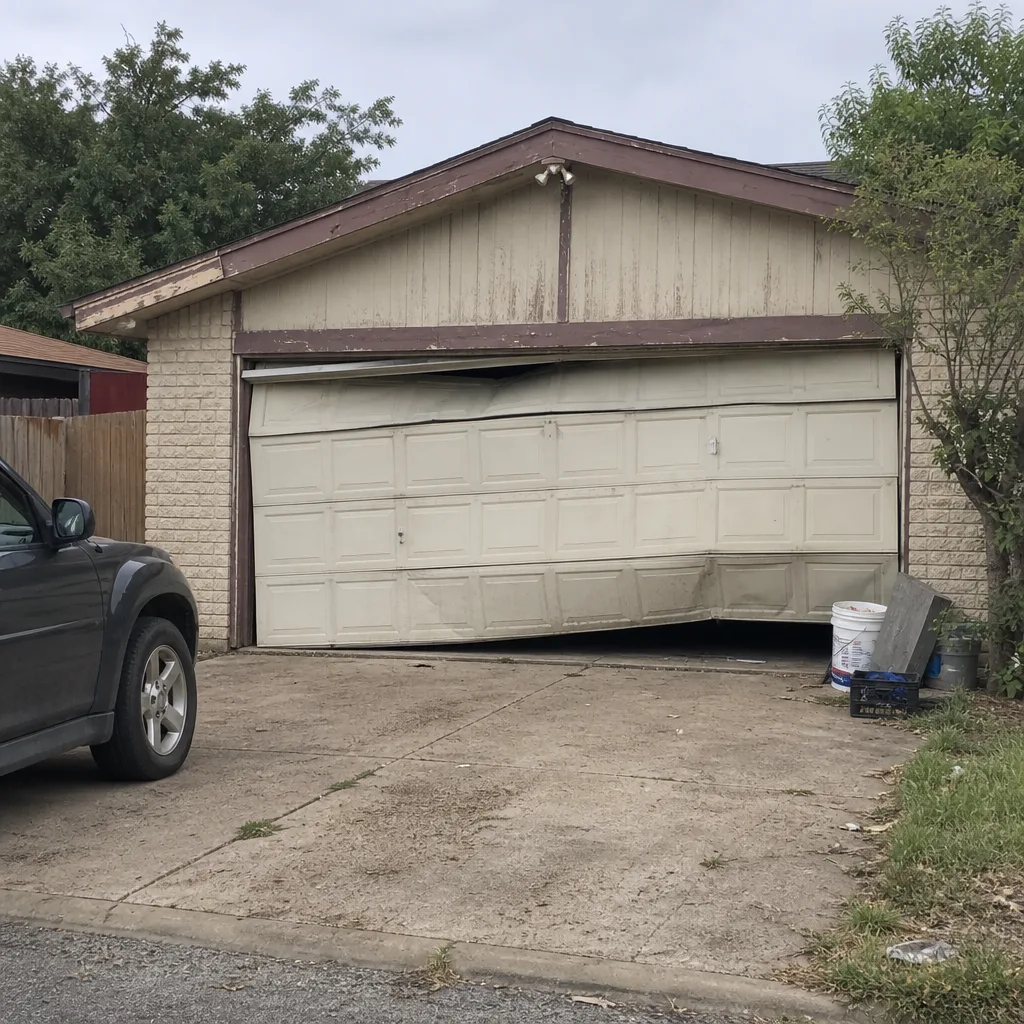 Before
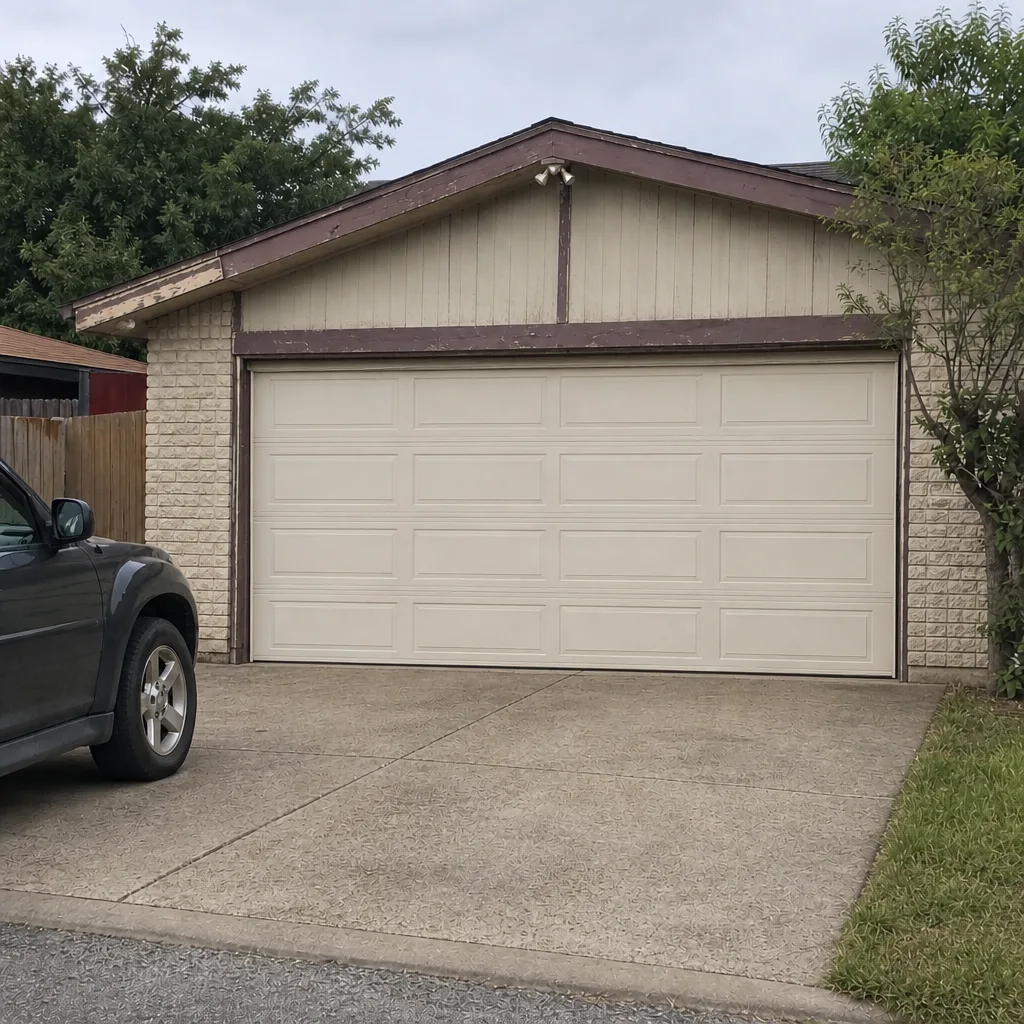 After
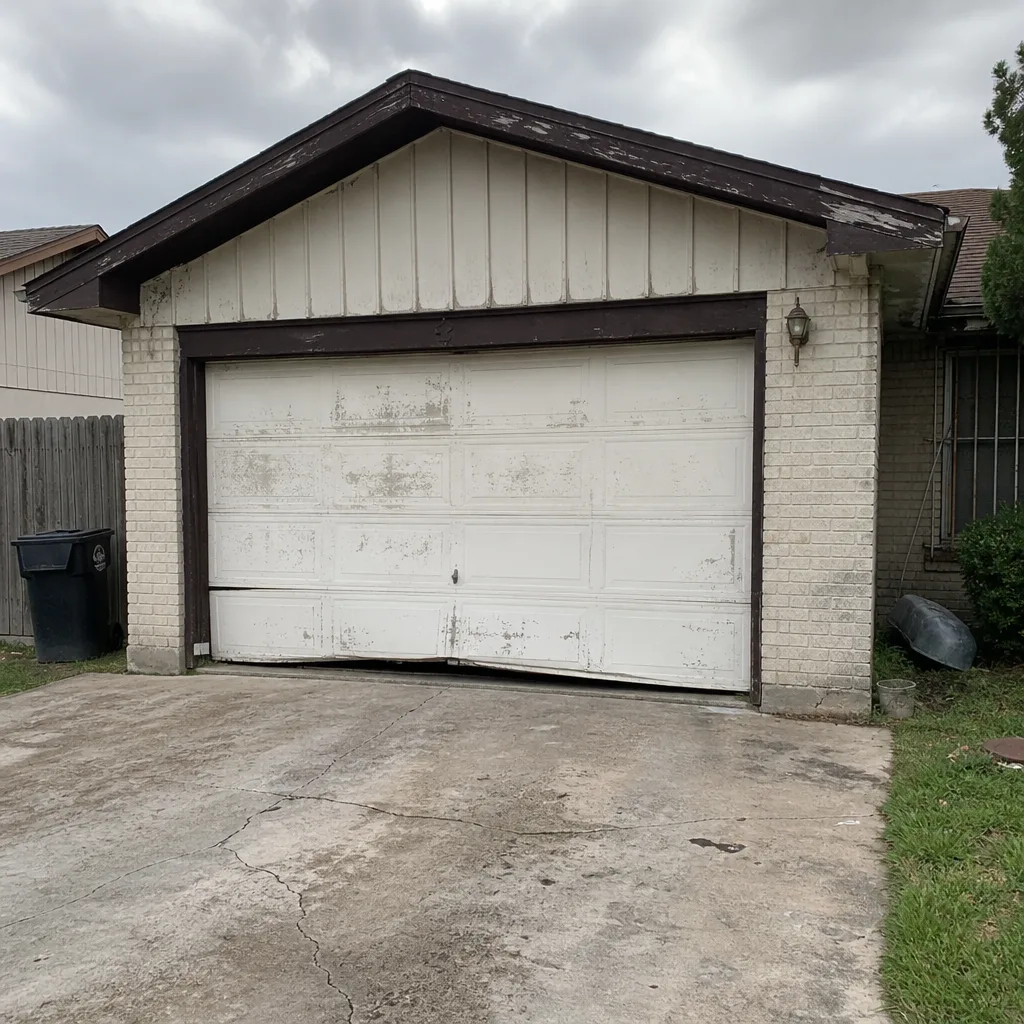 Before
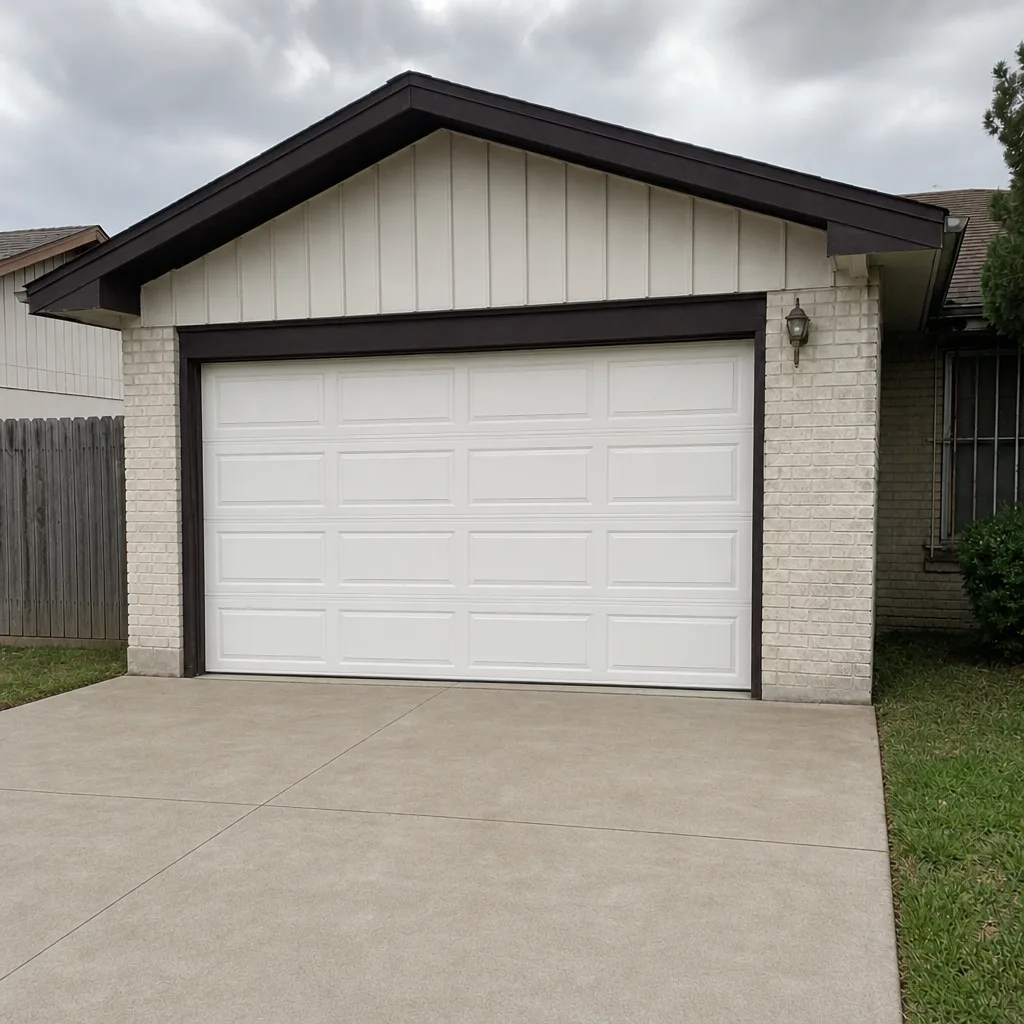 After
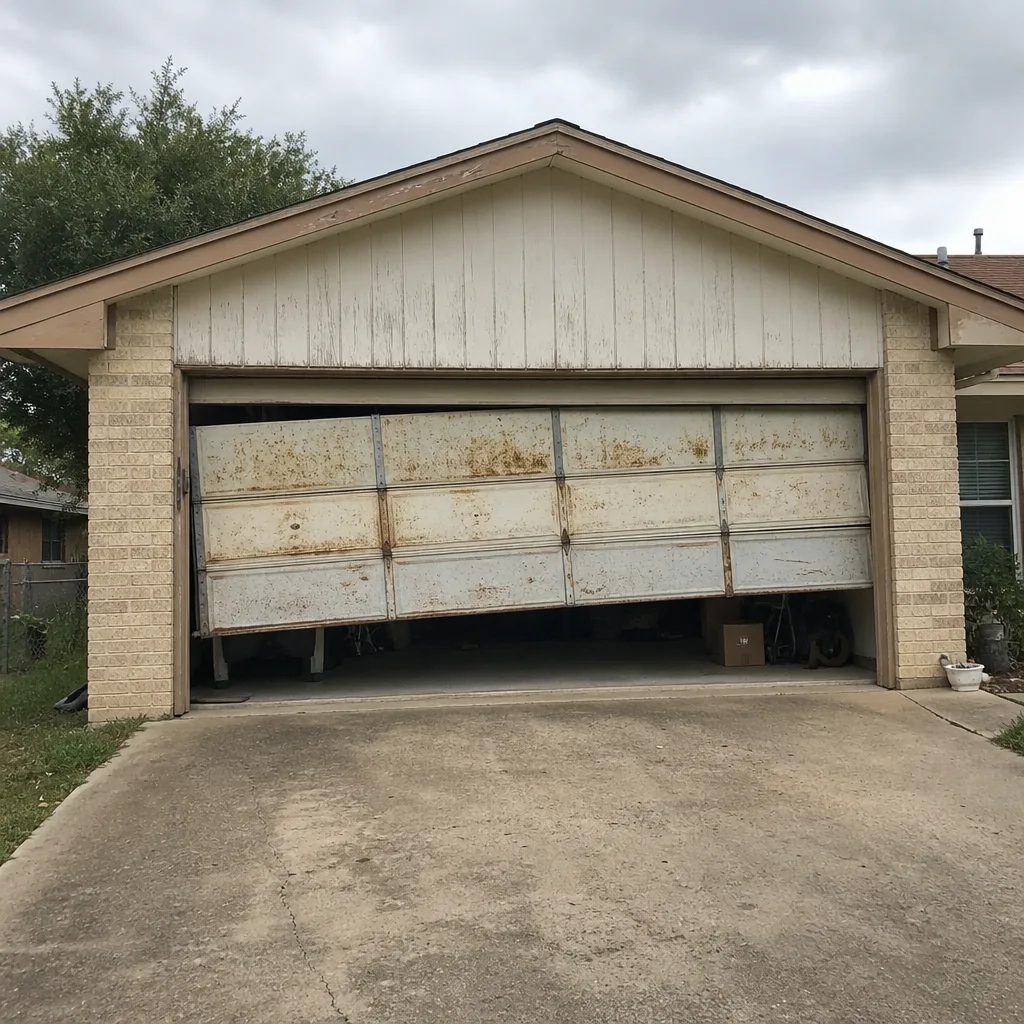 Before
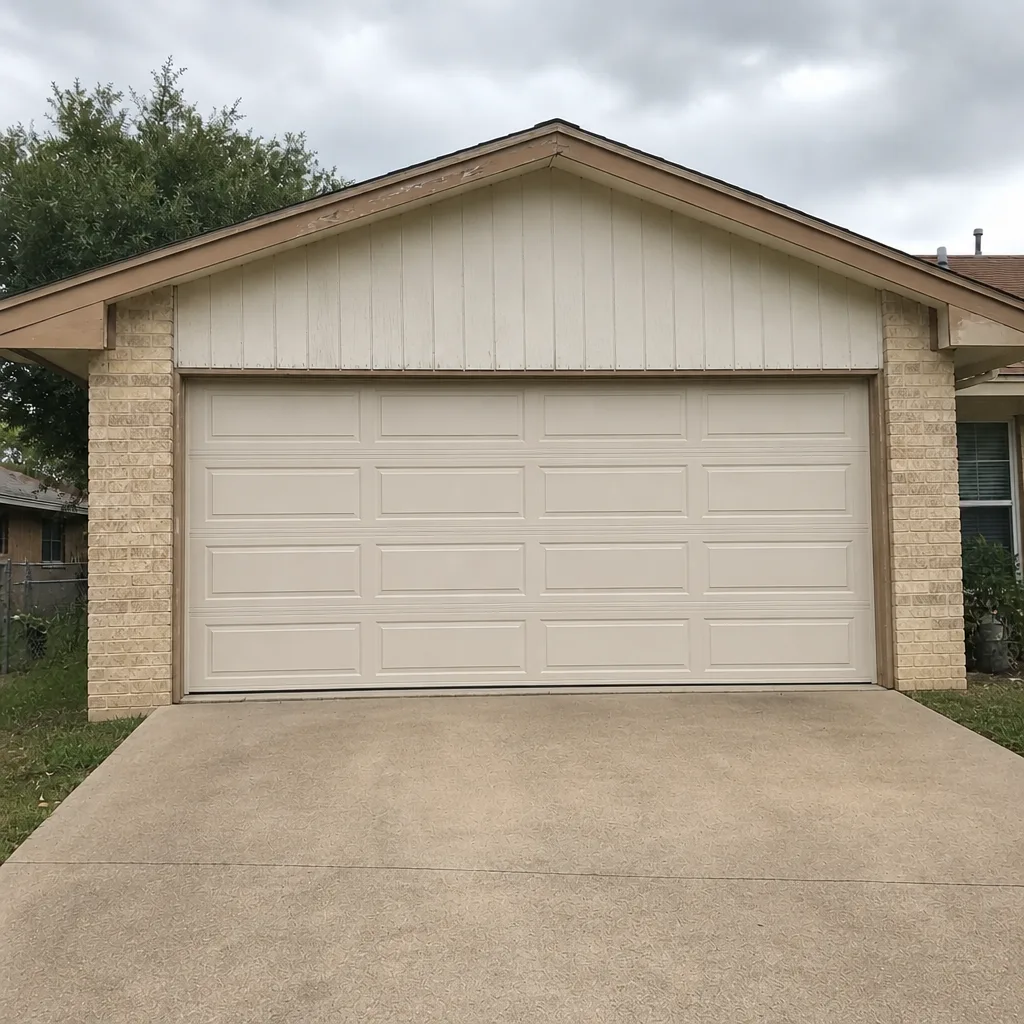 After
When to Call a Professional
Call a professional when the door makes a loud bang, when it won’t open or close fully, when the door feels significantly heavier than it used to, when you see frayed cables or bent tracks, when the opener reverses or fails for no clear reason, or when you can see daylight under a closed door and the seal won’t fix it. Also call when a spring is visibly stretched or has broken, and when you simply can’t remember the last time the system was inspected. In all of those cases, a technician can diagnose the issue in one visit and give you a written estimate before any work begins. Garage Door Repair Laredo offers free estimates in Laredo – call (855) 360-7055. We answer 24/7. Fast dispatch from 7am to 7pm, Sunday through Friday.
Frequently Asked Questions
Spring and cable inspection in the October-February mild window is the most important task, because getting ahead of spring wear before the heat returns prevents the most common summer failures. Lubrication during the heat phase is a close second. Call (855) 360-7055 for a free estimate if you’re due for that inspection.
Lubricate hinges, rollers and track contact points roughly once a month during the May-September heat phase, and every two to three months during the rest of the year. Heat drives lubricant off faster, so summer needs more frequent attention. A proper garage-door lubricant is worth the small extra cost over a general-purpose spray.
No. Torsion springs are under extreme tension and can cause serious injury if they release unexpectedly. Spring replacement is a job for a trained technician with the right tools. If you suspect a broken or worn spring, stop using the door and call (855) 360-7055 for a free estimate.
Summer heat stresses opener circuit boards, softens rubber seals and adds fatigue to spring metal. The temperature cycling between hot afternoons and cooler nights also works fasteners loose over time. The combination produces more failures in the heat phase than in the mild window. If your door is acting up in July or August, a technician can usually identify the cause in one visit.
Run your hand along the bottom seal with the door closed. If it feels stiff, cracked or you can see daylight underneath, it needs replacing. Do that check in June or early July, before the heaviest rains arrive. A worn seal is a cheap fix compared to water damage on the door panel.
Brand matters less than you’d think for the basic care tasks like lubrication and seal checks. It matters more for diagnostics when something goes wrong, especially on opener electronics. We’re certified to service eight of the industry’s leading brands, including LiftMaster, Chamberlain, Craftsman and Raynor, so brand-specific knowledge isn’t guesswork when you call.
The Bottom Line
Laredo doesn’t need a winterizing guide. It needs a care calendar that matches its actual weather: watch the heat phase for opener electronics, seal degradation and spring fatigue; treat monsoon season as a water-and-rust defense; and use the mild window from October through February to replace worn springs and cables before the cycle starts again. The temperature cycling that defines South Texas causes more hardware failures than cold ever does in a northern climate, so the inspections that matter here are the ones timed to the swings, not the seasons. Handle the visual checks and lubrication yourself, leave springs and cables to a trained technician, and put a full inspection on the calendar once a year. It’s the cheapest way to keep a garage door working through a Laredo summer.
If this year’s inspection brings up questions, or if your door is making sounds you can’t place, call (855) 360-7055 for a free estimate. We answer 24/7. Fast dispatch from 7am to 7pm, Sunday through Friday.
Written by the team at Garage Door Repair Laredo.