
Last updated November 15, 2026
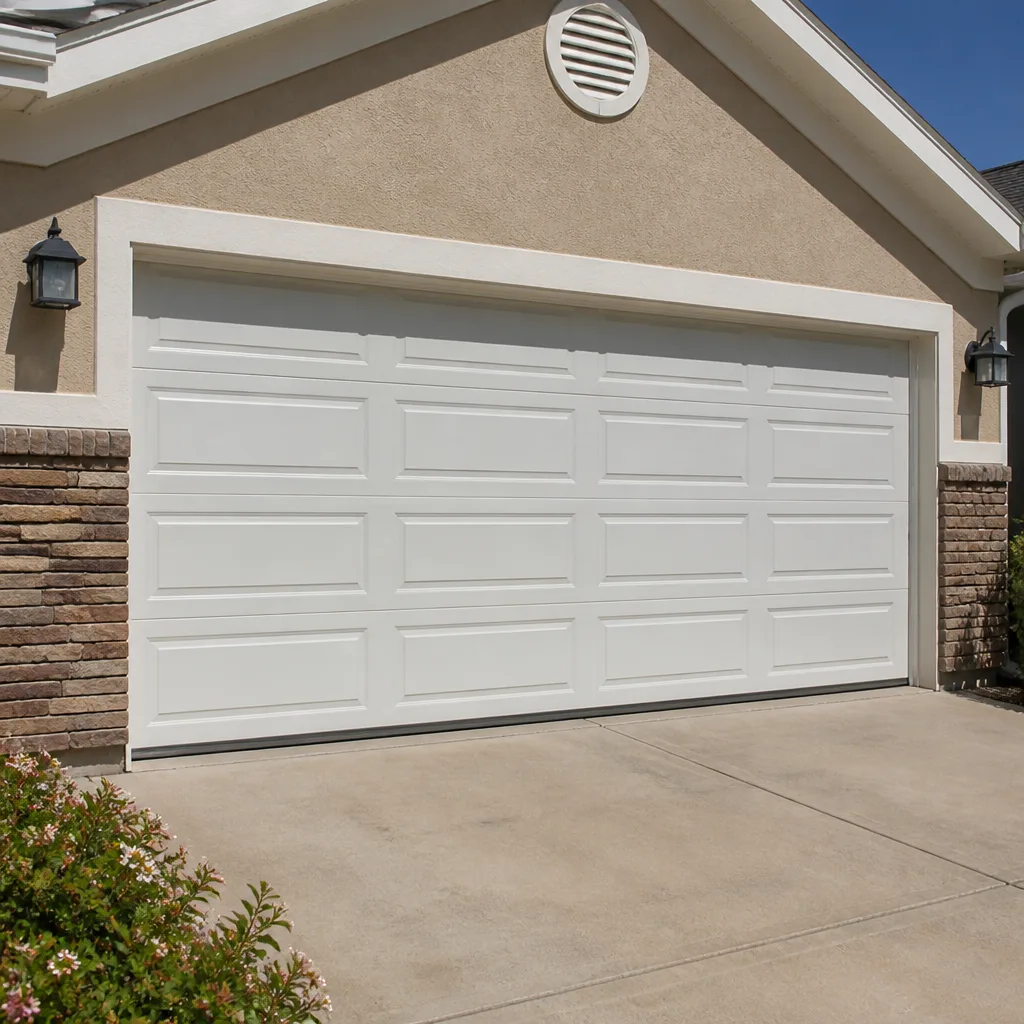 Raised-panel steel
 Carriage house
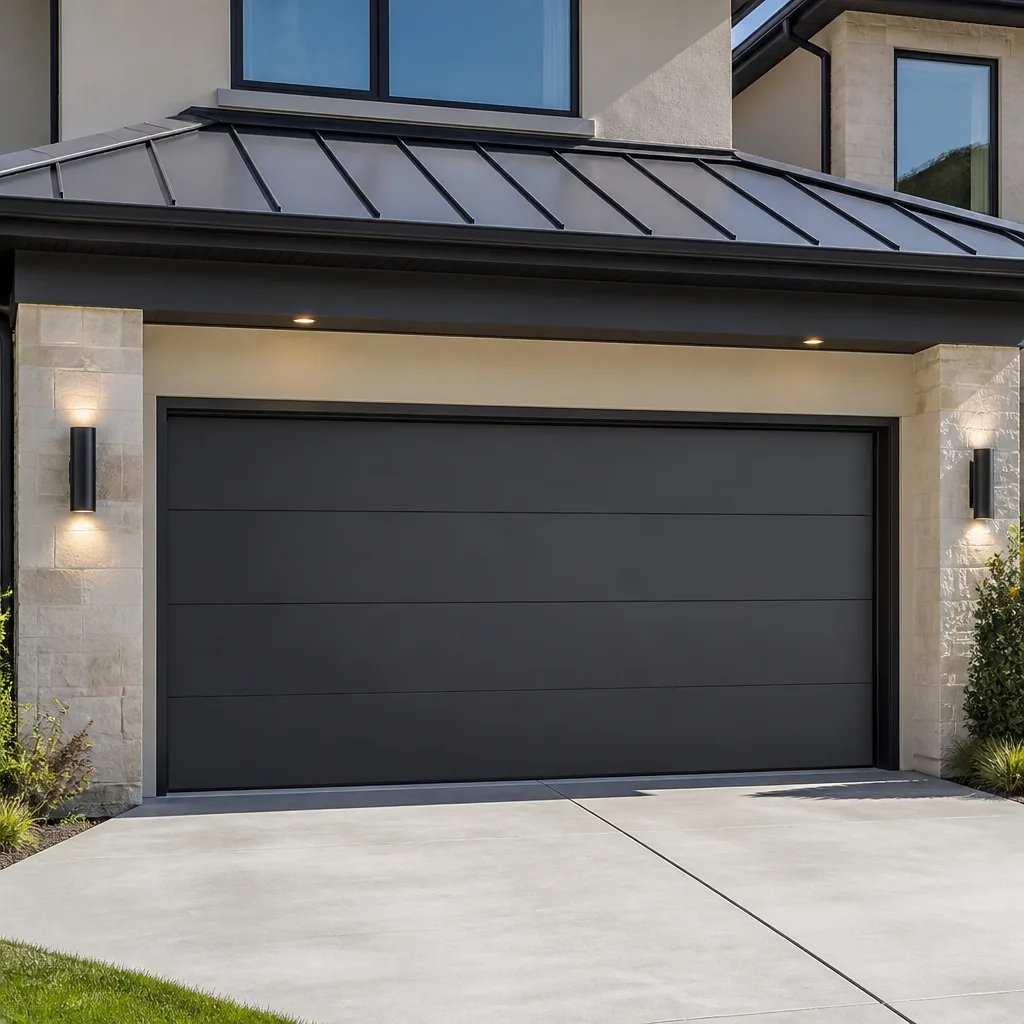 Modern flush
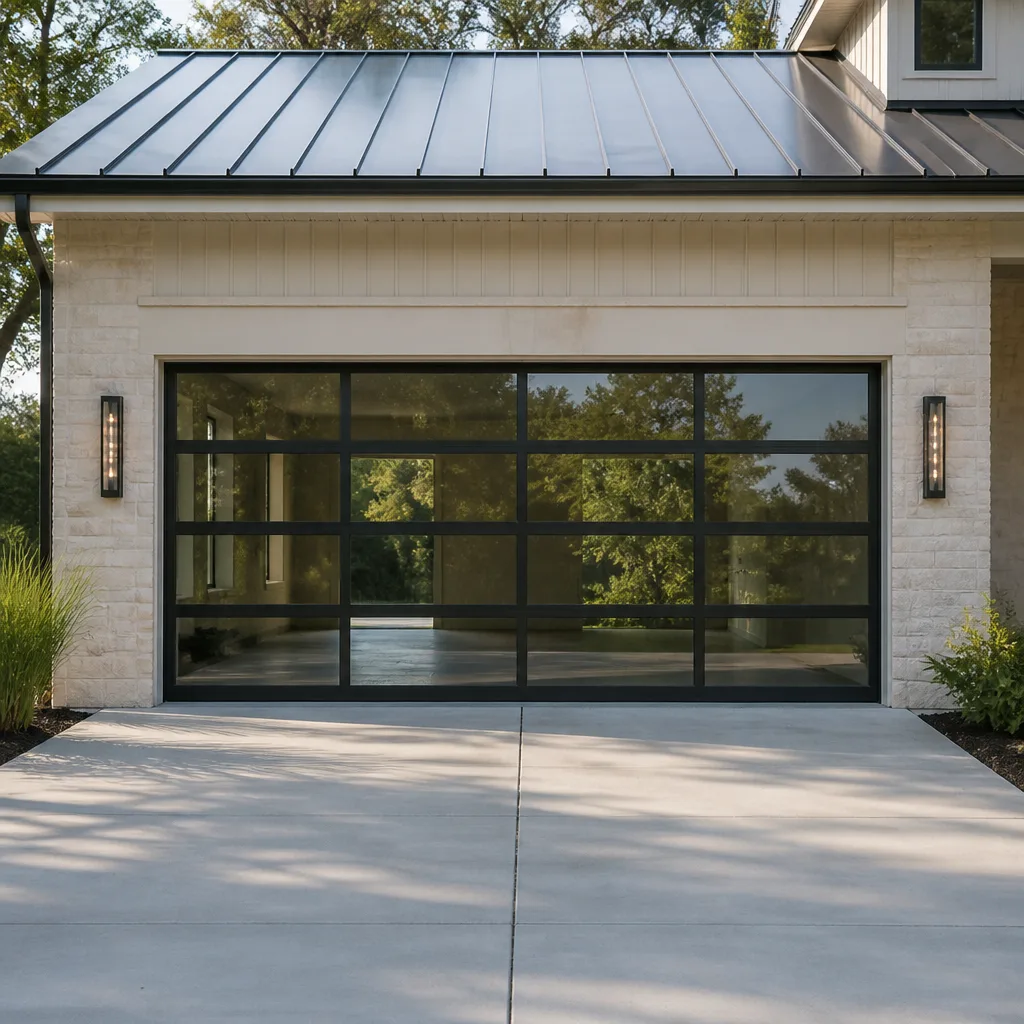 Full-view glass
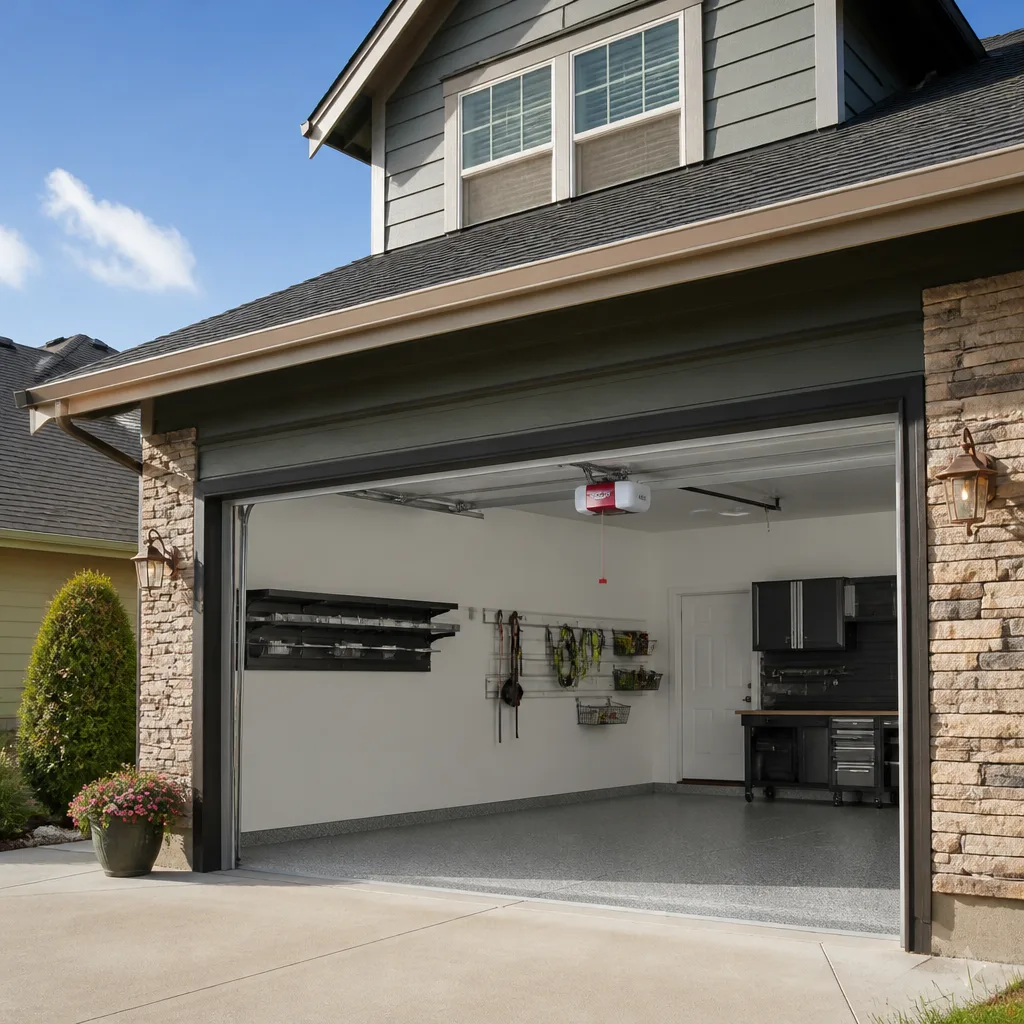 LiftMaster openers
 Chamberlain openers
Full 25-point door and opener safety check with every visit - springs, cables, rollers, tracks, and your LiftMaster or Chamberlain opener included
You get a price before we start. It does not change when the pro arrives.
Get your free estimateGarage Door Repair Maintenance Schedule: What to Do and When
The number-one maintenance mistake Laredo homeowners make isn’t skipping maintenance. It’s doing the right tasks on the wrong timeline for this climate. National “lubricate twice a year” advice was written for mild four-season markets, and it misses what actually wears out here: springs that cycle through brutal heat swings, bottom seals packed with caliche dust, and roller bearings that grind themselves flat long before a northern schedule says to check them. This guide lays out a month-by-month schedule built around South Texas conditions, with the five-minute monthly inspection that catches most problems early and clear benchmarks for when parts should be replaced on purpose instead of after they fail.
Quick Answer
A working garage door maintenance schedule in Laredo means a five-minute visual and sound check every month, lubrication every three months instead of twice a year, bottom-seal cleaning monthly during dry, dusty stretches, and a professional balance-and-tension inspection before summer heat peaks and again after the first cold snaps. Springs, rollers, and cables get replaced on a cycle count, not on failure.
Styles & brands we work with
- Raised-panel steel
- Carriage house
- Modern flush
- Full-view glass
- LiftMaster openers
- Chamberlain openers
Table of Contents
- Why generic maintenance advice fails in Laredo
- The five-minute monthly self-inspection
- The Laredo month-by-month schedule
- Spring tension and high-cycle doors in attached garages
- Caliche dust, bottom seals, and roller bearings
- Component lifespan benchmarks for Laredo use
- Opener-specific maintenance most checklists skip
- Repair or replace: how to decide
Why Generic Maintenance Advice Fails in Laredo
Most maintenance checklists are built for a climate with a long, cold winter and a short summer. Laredo doesn’t run that pattern. The heat here is long and intense, the summer sun beats on metal doors and tracks for months, and the dust in the air is a fine, alkaline caliche powder that settles into every moving part. Humidity swings with the weather, and many homes have air-conditioned interiors pressing against a garage that reaches well past 100°F in the afternoon.
That combination speeds up wear in three specific places:
- Metal fatigue. A door in an attached garage cycles between a cooled house wall on one side and a sunbaked exterior on the other. Springs and cables that flex repeatedly under big temperature swings work-harden faster than the same part in a stable climate.
- Abrasive dust. Caliche dust doesn’t just look bad. It works into grease, turns it into a grinding paste, and wears roller bearings and hinges from the inside.
- Dry heat on rubber and seals. Bottom seals, weatherstripping, and nylon rollers go brittle and crack faster when the air is dry and hot for months on end.
None of that means you should maintain more often than a homeowner in another state. It means the intervals should be shorter and the calendar should follow Laredo’s seasons, not a generic national one. That’s the shift this schedule makes.
The Five-Minute Monthly Self-Inspection
This is the highest-value habit on the whole schedule. It needs no tools and no ladder work, and it catches the large majority of developing problems before they turn into a broken door and an emergency call. Do it once a month, and do it faster right before summer.
- Listen first. Stand outside and run the door. A smooth hum with a soft mechanical whir is normal. Grinding, squealing, a metallic scrape, or a single loud pop means something is wrong. Note exactly when in the travel it happens.
- Watch the travel. The door should move smoothly in both directions with no shimmy, no jerking, and no spot where it seems to hesitate. A door that stalls or reverses without an obstruction is telling you something.
- Look at the gap. With the door closed, check the gap between the door and the floor. Light coming through, or a swollen-looking seal sitting on the concrete, means the seal or the door’s travel is off.
- Check the sides and top. Look at the weatherstripping around the edges. Dried, cracked, or missing strips let dust, water, and pests in.
- Test the balance. Disconnect the opener (most openers have a pull cord), lift the door halfway by hand under its own weight, and let go. A balanced door stays put. One that falls or rises on its own needs a professional look at the springs.
- Test the safety reverse. Put a small object in the door’s path and close it. The door should reverse on contact, and the photo-eye test (blocking the beam with your hand) should stop it too.
Anything you note here is a data point, not a diagnosis. Write it down and watch whether it repeats. A noise that shows up once is often nothing. A noise that gets a little worse every month is a part on its way out.
The Laredo Month-by-Month Schedule
The year in Laredo has a warm season, a hot season, and a cool season, and each one stresses the door differently. Here’s how to pace maintenance around those shifts. Exact dates matter less than the sequence, so treat these as windows.
Late winter and early spring (before heat peaks)
- Lubricate springs, hinges, rollers, and tracks. This is the most important lubrication of the year because a well-lubricated door handles the coming heat better.
- Clean the bottom seal and wipe the tracks clear of accumulated dust.
- Check the balance by hand, and schedule a professional tension and cable inspection. Doing this before summer means problems get caught before the hardest months.
- Test the opener’s safety reverse and photo-eye, since the next hot stretch is the worst time to discover a sensor fault.
Late spring and summer (the stress season)
- Run the monthly self-inspection every few weeks. Heat amplifies everything.
- Clean the bottom seal and wipe the photo-eye lenses more often. Dust and glare both work against the sensors this time of year.
- Listen specifically for a change in sound. Summer is when tired springs and dry bearings announce themselves.
- Keep the garage as ventilated as you reasonably can. A cooler garage eases pressure on the whole system.
Fall and after the first cold snaps
- This is the second key professional inspection window, and it’s often the one people skip. A door that ran fine in summer can reveal a weak spring or a loose cable once temperatures drop.
- Check the door’s balance by hand again, because metal contracts with the cooler air and clearances change.
- Lubricate a second time as the season turns.
- Check the seal and weatherstripping as the dry season sets in.
Winter
- Continue the monthly self-inspection.
- Verify the safety reverse still works, since the sensors and the opener board see more temperature variation now.
- Watch for a door that seems sluggish on the first cold morning. Weak openers show their age when the system gets stiffer.
Spring Tension and High-Cycle Doors in Attached Garages
Springs are the part most affected by Laredo’s conditions, and high-cycle doors in attached garages take the most punishment. A door that runs several times a day, plus the ambient temperature swings between a cooled interior wall and a sunbaked exterior, sees more expansion, contraction, and fatigue than a low-use door on a detached garage. That’s the wear Laredo homeowners should watch for.
Here’s how to think about spring maintenance without doing the work yourself:
- Watch the balance test closely. A door that slowly sinks after you let go is a warning. A door that snaps down is dangerous.
- Listen for a different kind of noise. Springs that are fatiguing often sound different before they break, a hollower or twangier tone.
- Watch the cables and drums. Cables that look frayed, kinked, or slack, or winding unevenly, need professional attention.
We need to be direct about safety here: garage door springs are under high tension and can cause serious injury if handled by someone without the right tools and training. This is not a maintenance task to approach yourself, and the balance test is the most any homeowner should do. A trained technician can check tension, measure the spring’s stretch, and tell you whether it’s healthy or nearing the end of its range.
When a spring does fail, it usually fails completely rather than gradually. For an exact look at what the job involves, our garage door repair overview covers spring and cable work, and our team can walk you through options for a matched pair. For a broader look at the whole service, the main Garage Door Repair Laredo page is a good place to start.
Caliche Dust, Bottom Seals, and Roller Bearings
This is the piece most maintenance advice doesn’t cover, and it’s the one that matters most around here. Caliche dust is fine, alkaline, and everywhere. It collects on tracks and the bottom seal, and it works its way into any lubricated moving part. Left alone, it turns grease into an abrasive paste.
Roller bearings are the quiet victim. A dirty, dry bearing doesn’t fail dramatically. It just grinds a little more, wears the shaft, and eventually seizes or wobbles, and by then the rollers are shot.
Here’s the cleaning interval that works in Laredo conditions:
- Monthly: Wipe the bottom seal with a damp cloth and clear dust from the tracks with a dry cloth or soft brush. Never use solvents on the seal.
- Every three months: Clean around each hinge and roller, then reapply the right lubricant. Garage door lubricant, not household grease, is what the parts are designed for.
- After any dusty stretch: If there’s been a lot of wind and dust, do a cleaning pass even if it’s off-cycle. A dirty bottom seal lets dust and water in, and a dirty track produces noise that mimics bigger problems.
Seals themselves are a consumable here. Dry, cracked, or brittle seals let air, dust, and pests in and should be replaced on a schedule rather than when they fail completely. If the seal looks hardened and won’t seat against the floor, it’s time. Our Laredo service page has details on how we handle seal, roller, and track work.
Component Lifespan Benchmarks for Laredo Use
Waiting for a part to fail is the most expensive way to maintain a garage door. It turns a scheduled repair into an emergency. Here are the benchmarks to watch in Laredo conditions. These are general guidelines, not exact predictions, because cycle count rather than calendar age is really what matters.
- Springs: Replace proactively when a balance test starts to show weakness or a technician measures tension that’s drifting. Because heat and cycling both shorten life, don’t wait for the failure pop.
- Rollers: Nylon rollers wear and flatten; steel rollers wear and get noisy. In dusty conditions, replace them when they wobble, squeal, or show flat spots. Bearings are the first thing to fail in a dust-heavy market.
- Cables: Cables should outlast springs, but any fraying, kinking, or slackening means replacement. Don’t wait for a break.
- Bottom seal: Replace when it’s dry, cracked, or no longer seats against the floor.
- Hinges: Replace when they’re loose, worn, or noisy even after lubrication.
- Opener: Opener electronics have a finite life, and in a hot garage that life is shorter than the manufacturer’s clean-cycle estimate. Watch for sluggish lifting, inconsistent reversing, and remote or wall-switch faults.
The point of a benchmark is to act before the emergency, not after. If your door is squealing through the summer heat and the rollers look tired, that’s your signal to plan the replacement rather than wait for a jammed door.
Opener-Specific Maintenance Most Checklists Skip
Most maintenance advice treats the opener as an afterthought to the door. We don’t, because an opener has its own diagnosis, not just a symptom. A door that lifts poorly might have a tired spring, a failing opener, or both, and you need to know which before you buy anything.
Opener maintenance in Laredo conditions looks like this:
- Test the safety reverse monthly. It’s the most important safety feature on the whole system and the first to drift out of alignment.
- Clean the photo-eyes. Dust and glare are the two most common causes of a door that closes partway and reverses. A quick wipe of the lenses is often all it takes.
- Check the force and travel settings. These are usually adjustable on the motor unit. If the door needs more force than it used to, that’s a sign something else is binding.
- Clear the obstruction path. A loose object that tips into the door’s path is a common cause of a door that seems to have “sensor trouble.”
- Watch the wall switch and remotes. Failing remotes or a switch that works sometimes point to opener electronics, not the door.
We service LiftMaster, Chamberlain, Genie, Clopay, Amarr, Wayne Dalton, Craftsman, and Raynor systems, so no matter what opener or door you already own, we can look at it on its own terms. Opener work is a standalone specialty for us, not an add-on. If you’d rather have a specialist do the diagnosis, our garage door opener repair work covers everything from sensors to the board.
Repair or Replace: How to Decide
This is the question that shapes every maintenance decision, and the honest answer is that it depends on the part, the door’s age, and how much you value your time. Here’s how to think it through without a sales pitch:
- Repair when the door is otherwise sound and a single part is worn. A spring, a seal, a set of rollers, or a hinge is a repair, not a reason for a new door.
- Replace the door when panels are damaged, the door is consistently out of balance, or the cost of repeated repairs starts to add up.
- Replace the opener on its own when the door is fine but the motor is failing. The opener and the door age on different timelines.
- Consider a full replacement if multiple parts are failing at once and the door is at the end of its practical range.
Our rule is simple: repair or replace, and we’ll tell you which one actually makes sense for your door. If the right answer is repair, that’s what we’ll recommend. To schedule a no-pressure look, call our team or use our garage door repair line when something isn’t right.
Common Mistakes to Avoid
- Following a national “twice a year” lubrication schedule in Laredo heat. The dry, dusty season and long hot stretch wear parts faster than a northern schedule assumes. Shorten the interval to roughly every three months.
- Ignoring the bottom seal until it fails. A hard, cracked seal is a dust and pest entry point. Check it monthly and replace it on schedule.
- Using the wrong lubricant. Household grease and cooking-oil substitutes collect dust and make the grinding worse. Use garage door lubricant made for the moving parts.
- Skipping the post-cold-snap inspection. The fall and winter check often gets skipped, and it’s when weak springs and loose cables show up.
- Adjusting spring tension without the right tools. High-tension springs can cause serious injury. Leave tension work to a trained specialist.
- Waiting for a part to fail before replacing it. Springs, rollers, and cables should be replaced on a cycle-count basis, not after the door jams.
- Assuming a door problem is an opener problem. A sluggish door is often a spring or roller issue, and a new opener won’t fix it. Diagnose the door first.
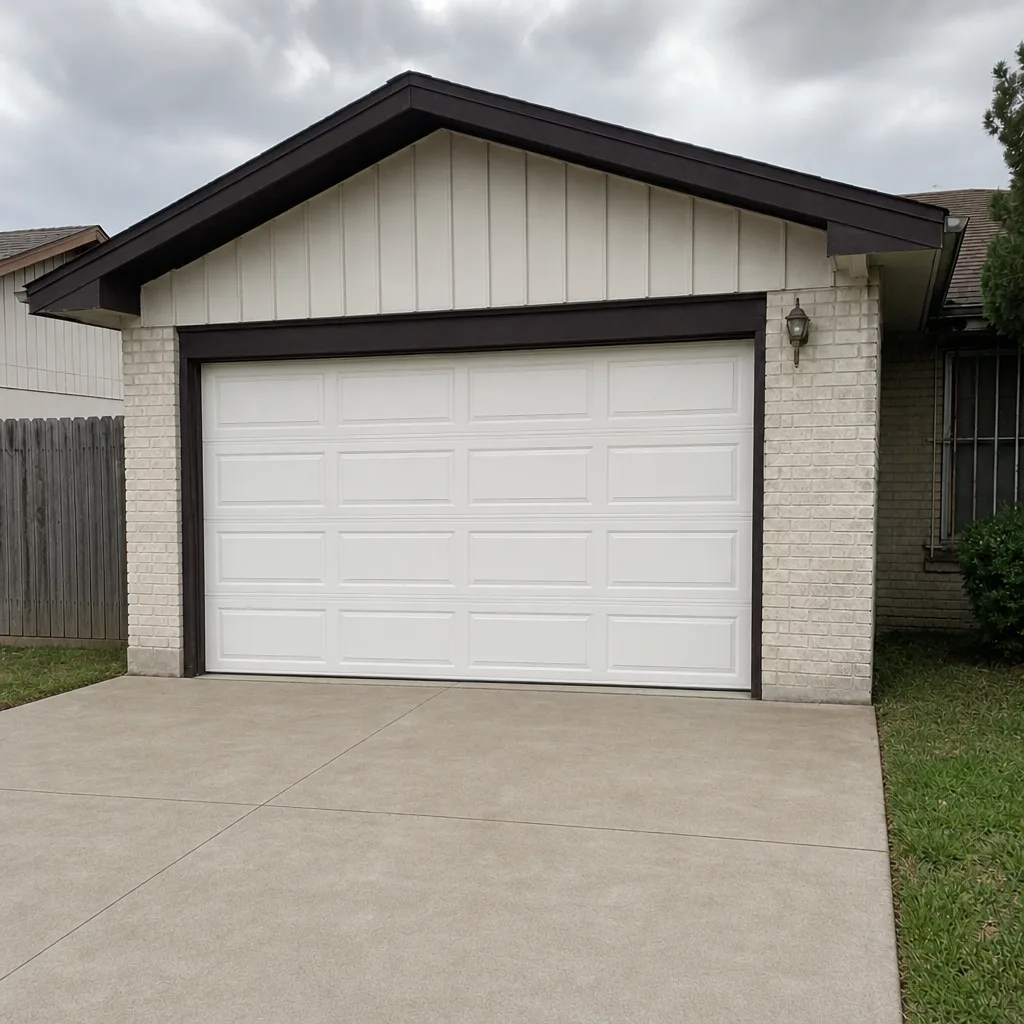
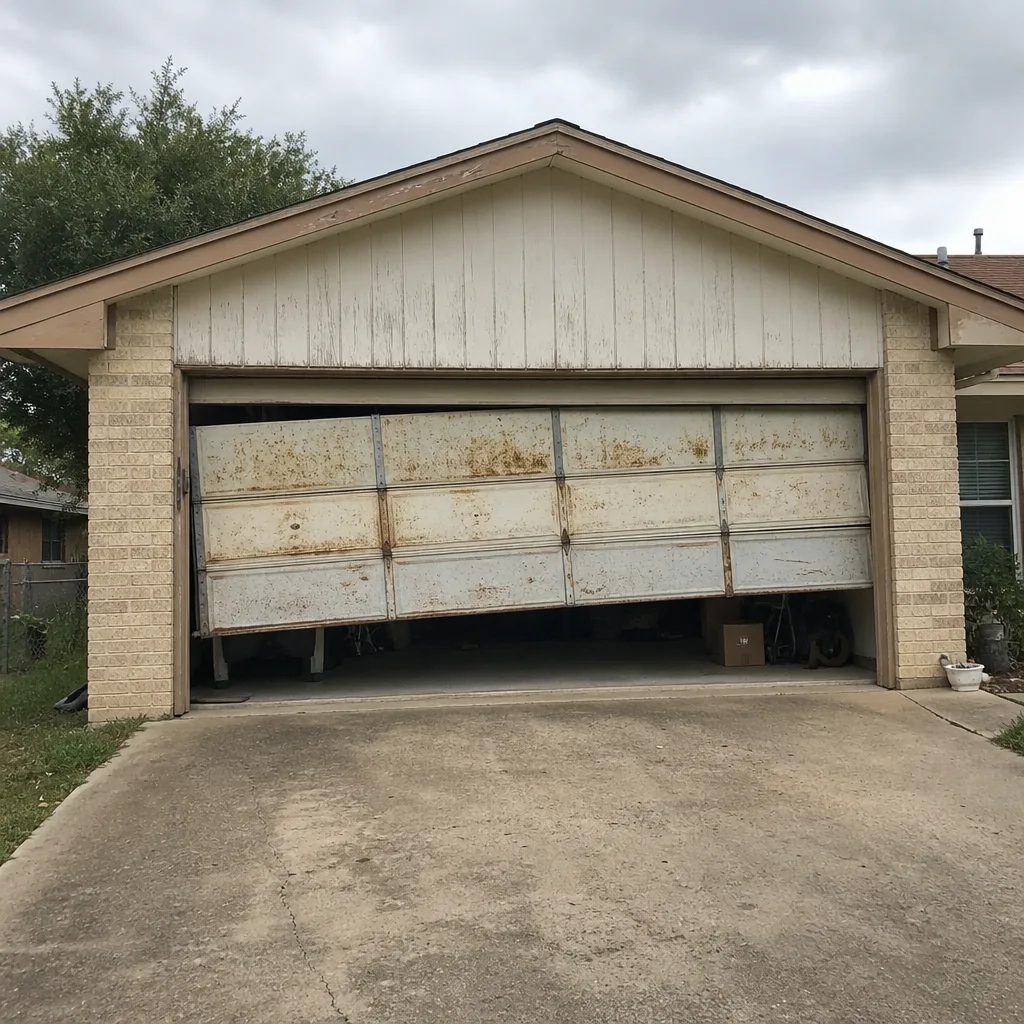
See the difference
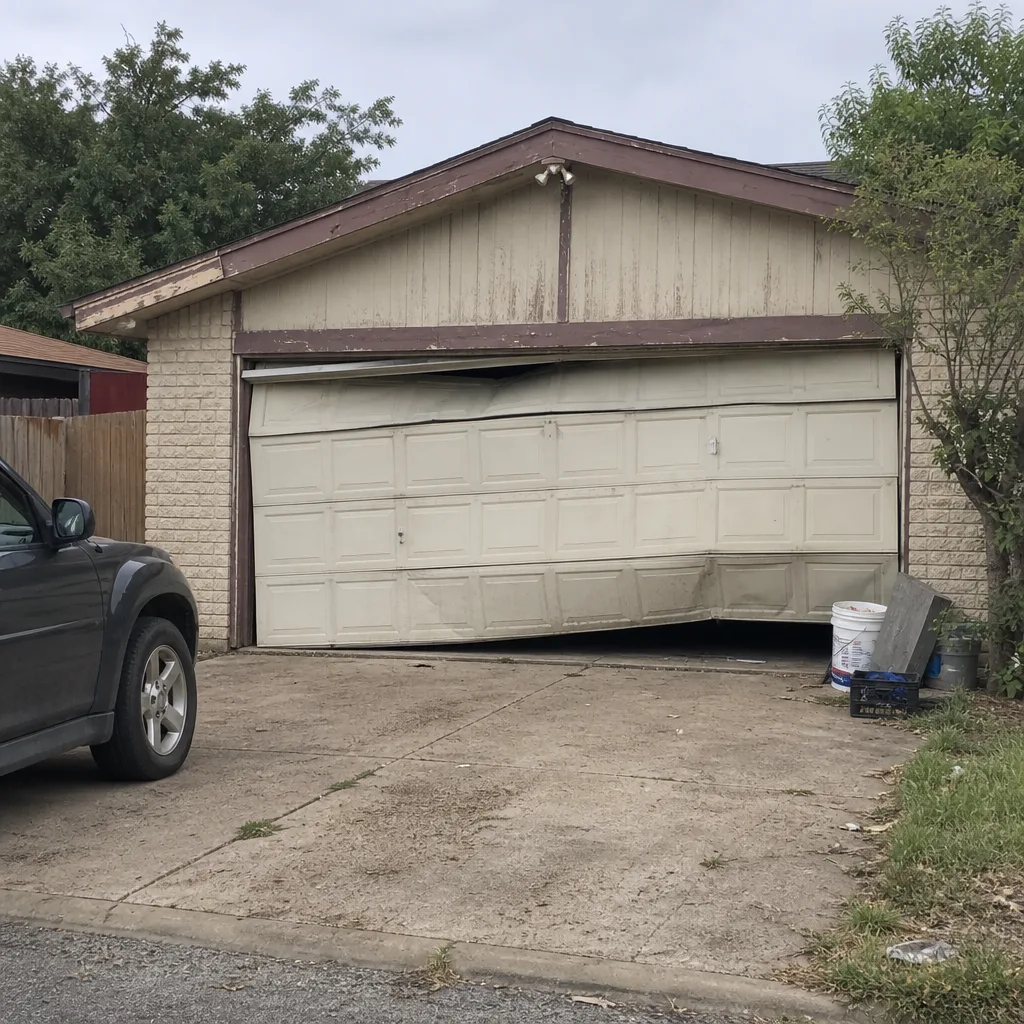 Before
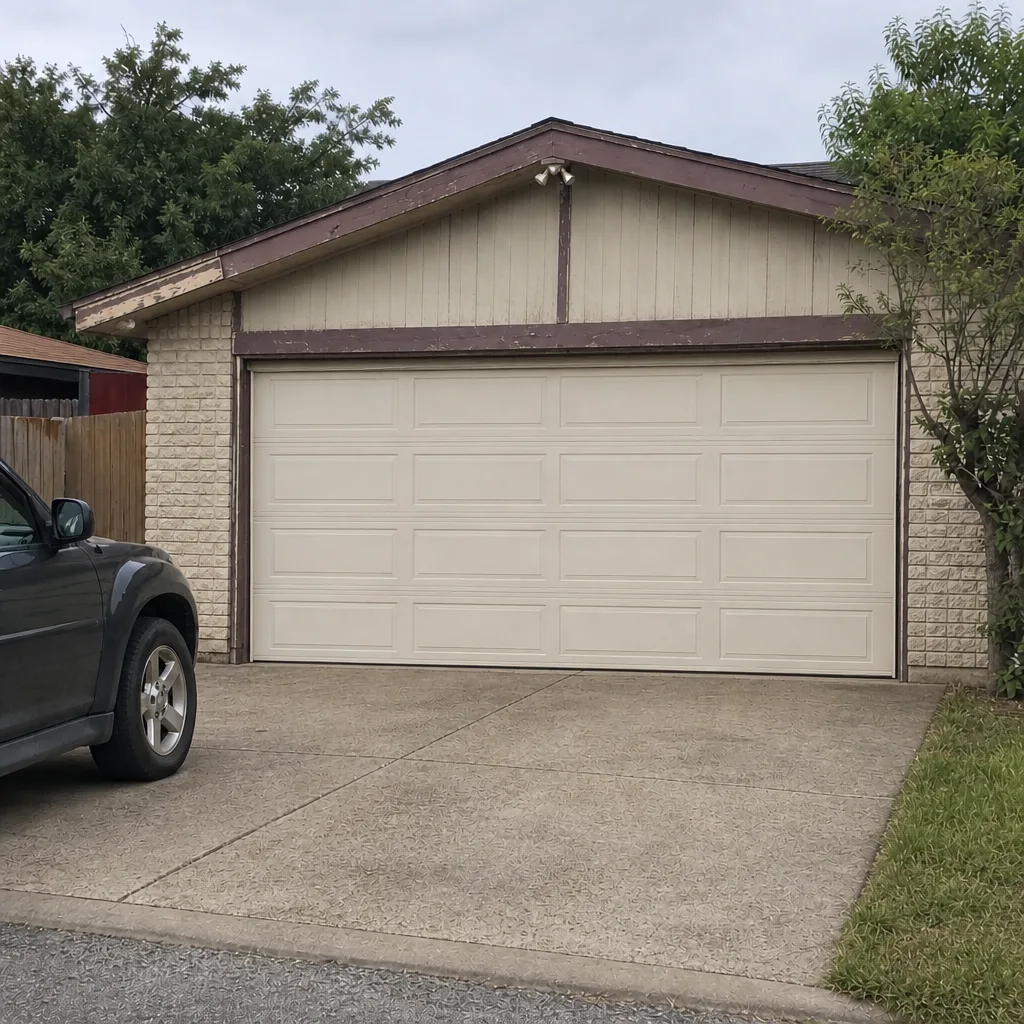 After
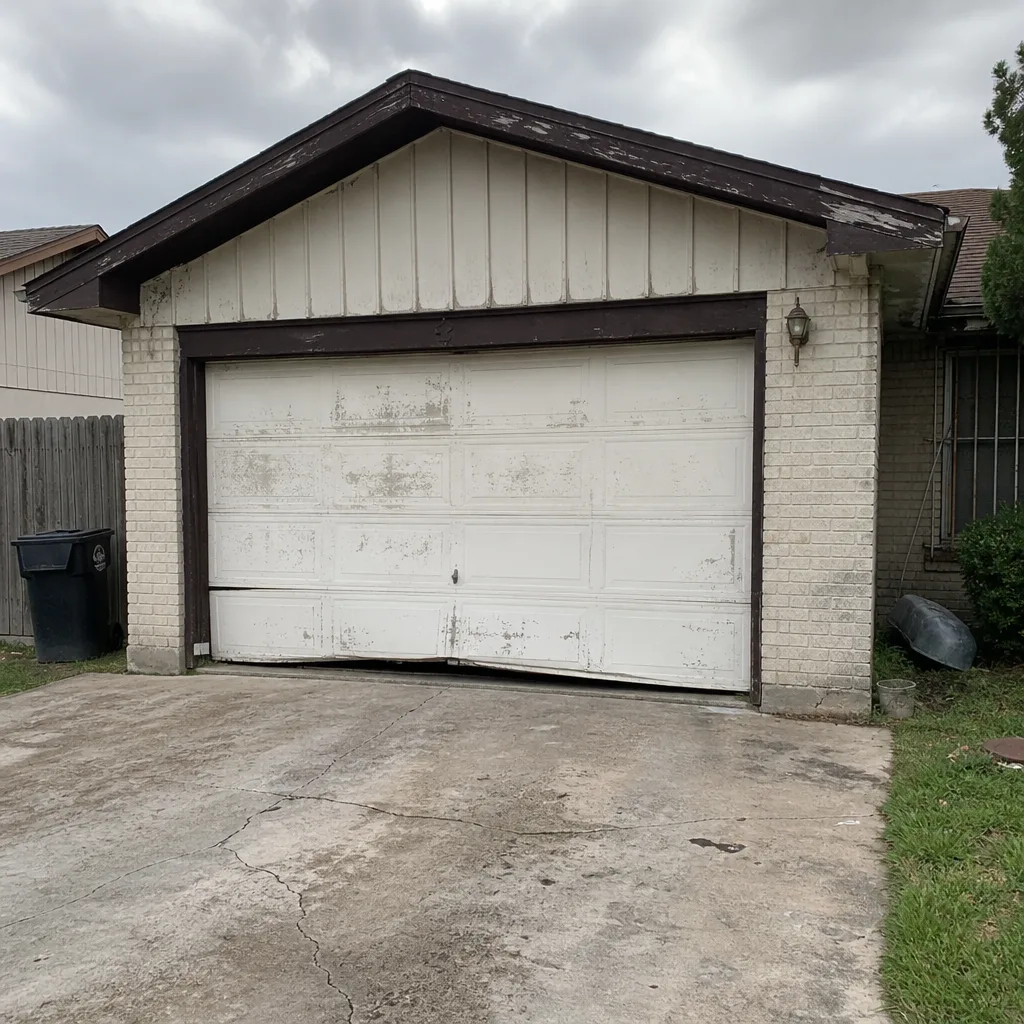 Before
 After
 Before
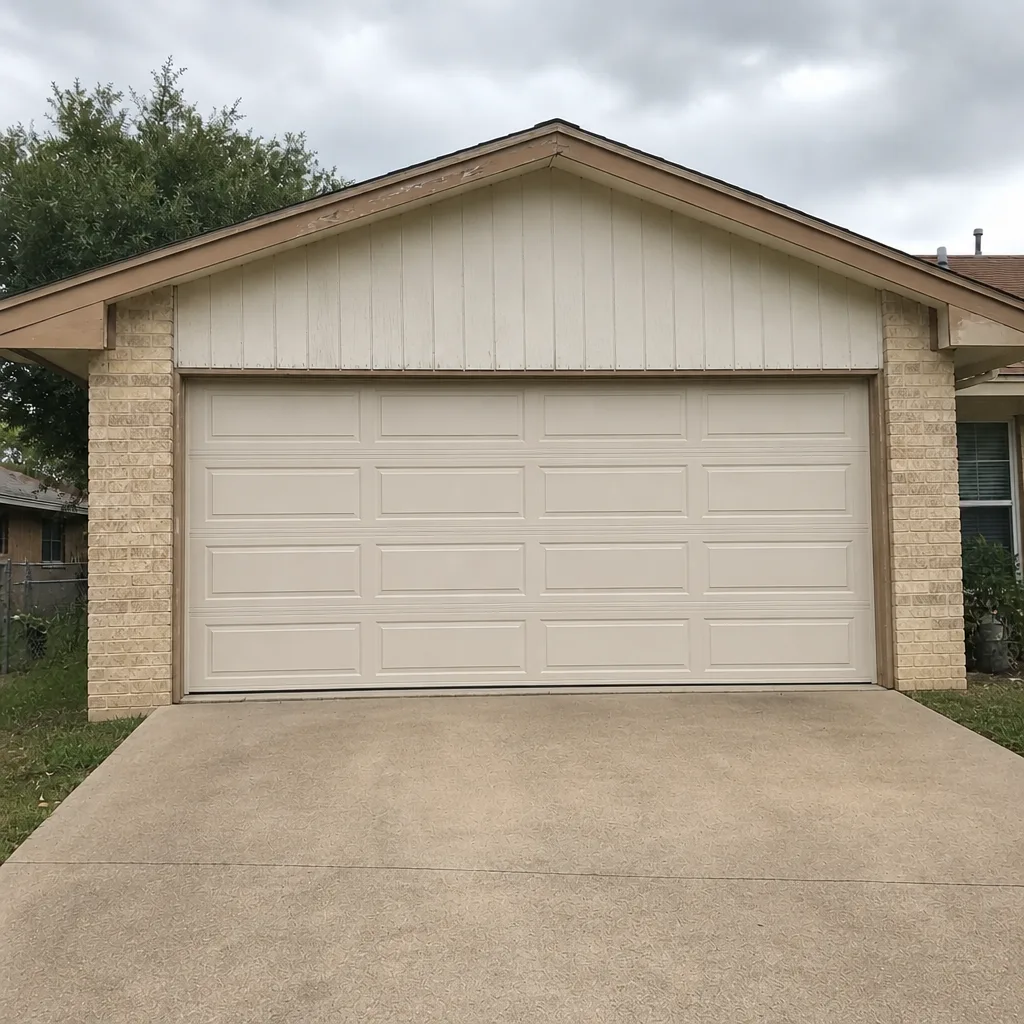 After
When to Call a Professional
Some maintenance is yours to do. Some is not. Call a specialist if you notice a door that’s out of balance on the hand test, a spring that pops or fails, cables that look frayed or slack, a track that’s bent or misaligned, or an opener that reverses without obstruction. Call us too if a monthly self-inspection turns up a noise that keeps getting worse, or if the door has simply stopped responding and you can’t tell whether it’s the door or the opener. Safety features, spring tension, and cable work belong to a trained technician, especially in a climate that stresses these parts as hard as Laredo does.
Garage Door Repair Laredo offers free estimates in Laredo. Call (855) 360-7055. We answer 24/7. Fast dispatch from 7am to 7pm, Sunday through Friday.
Frequently Asked Questions
Every three months is a better interval here than the national twice-a-year advice, because the dry, dusty season and long heat stretch wear moving parts faster. Wipe dust off the tracks and hinges first, then apply a proper garage door lubricant, not household grease. If a lot of dust has blown around, do an extra cleaning pass. Call (855) 360-7055 if you’re not sure which parts need it.
Run the door and listen for grinding, squealing, or popping; watch that the travel is smooth; check the gap at the floor; look at the weatherstripping; do the hand balance test with the opener disconnected; and test the safety reverse with an object in the path. That catches most developing problems early. Anything you note that keeps getting worse deserves a professional look. Call (855) 360-7055 for a free estimate.
Yes, because caliche dust works into grease and turns it into an abrasive paste that grinds the roller bearings from the inside. That’s why rollers and hinges need cleaning and lubrication more often here than in cleaner air. Wipe them down monthly and lubricate every three months. If a roller wobbles or squeals even after that, it’s worn out. Call (855) 360-7055 for a look.
Replace them proactively when the balance test starts to show weakness or a technician finds the tension drifting, rather than waiting for a failure. In Laredo heat, springs fatigue faster than a national estimate assumes, and a failed spring can leave the door stuck. A trained technician should do the tension check and replacement. Call (855) 360-7055 for a free estimate.
Often it can be repaired. A failing opener may just need a sensor adjustment, a new board, or a travel setting reset, and none of that requires a new unit. Our opener work is a standalone specialty, and we diagnose before we recommend. If replacement is the honest answer, we’ll say so. Call (855) 360-7055 to book a diagnosis.
DIY handles the monthly self-inspection, lubrication, and seal cleaning well. Professional maintenance is for the parts that carry real force: spring tension, cable inspection, track alignment, and opener electronics. In a climate that stresses these parts as hard as Laredo does, an inspection before summer and again after the first cold snaps is worth doing. Call (855) 360-7055 for a free estimate.
The Bottom Line
The right maintenance schedule in Laredo is short, monthly, and built around this climate: a five-minute self-check every month, lubrication every three months instead of two, monthly cleaning of the bottom seal, and two professional inspections a year, one before summer and one after the first cold snaps. Watch springs and rollers on a cycle count rather than waiting for failure, because caliche dust and heat wear them faster than a national checklist admits. If you’d like a specialist to look at your door before the next stress season, call (855) 360-7055 for a free estimate.
Written by the team at Garage Door Repair Laredo.