
Last updated November 15, 2026
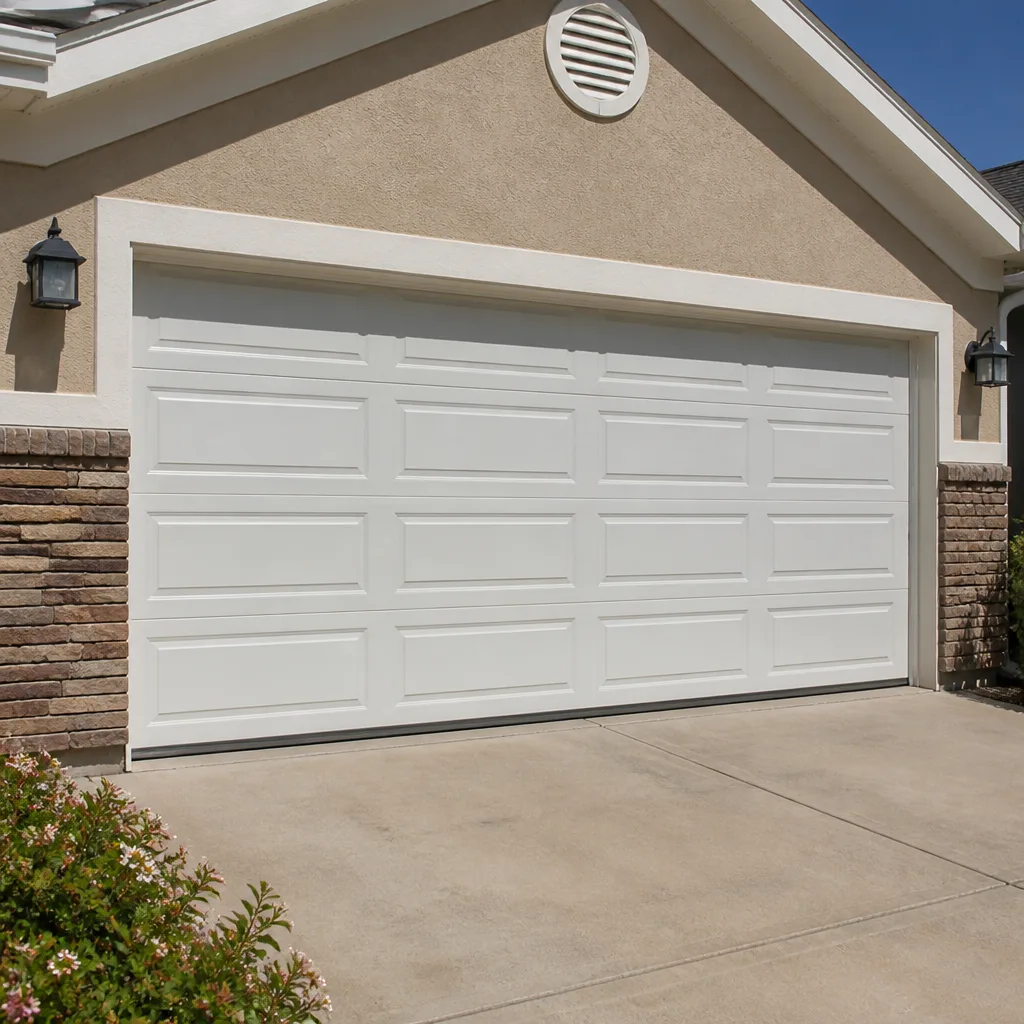 Raised-panel steel
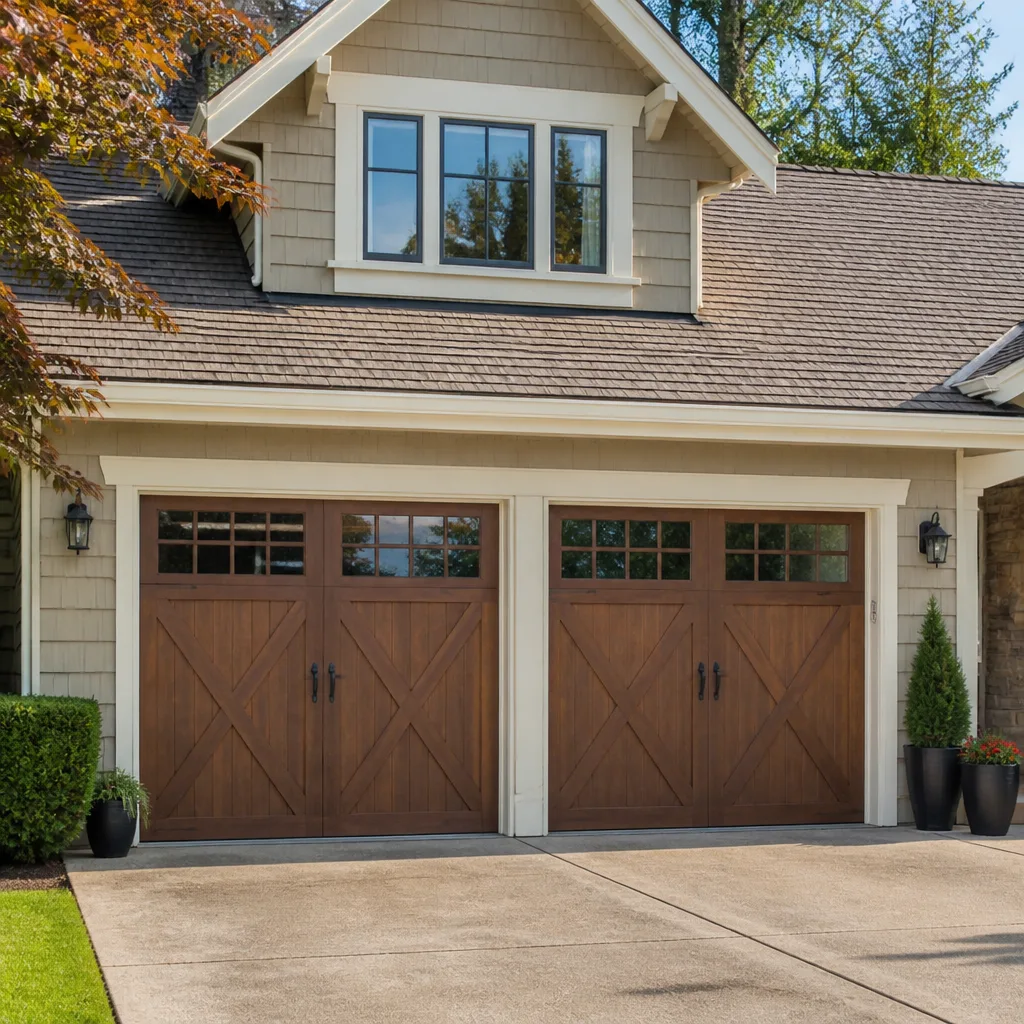 Carriage house
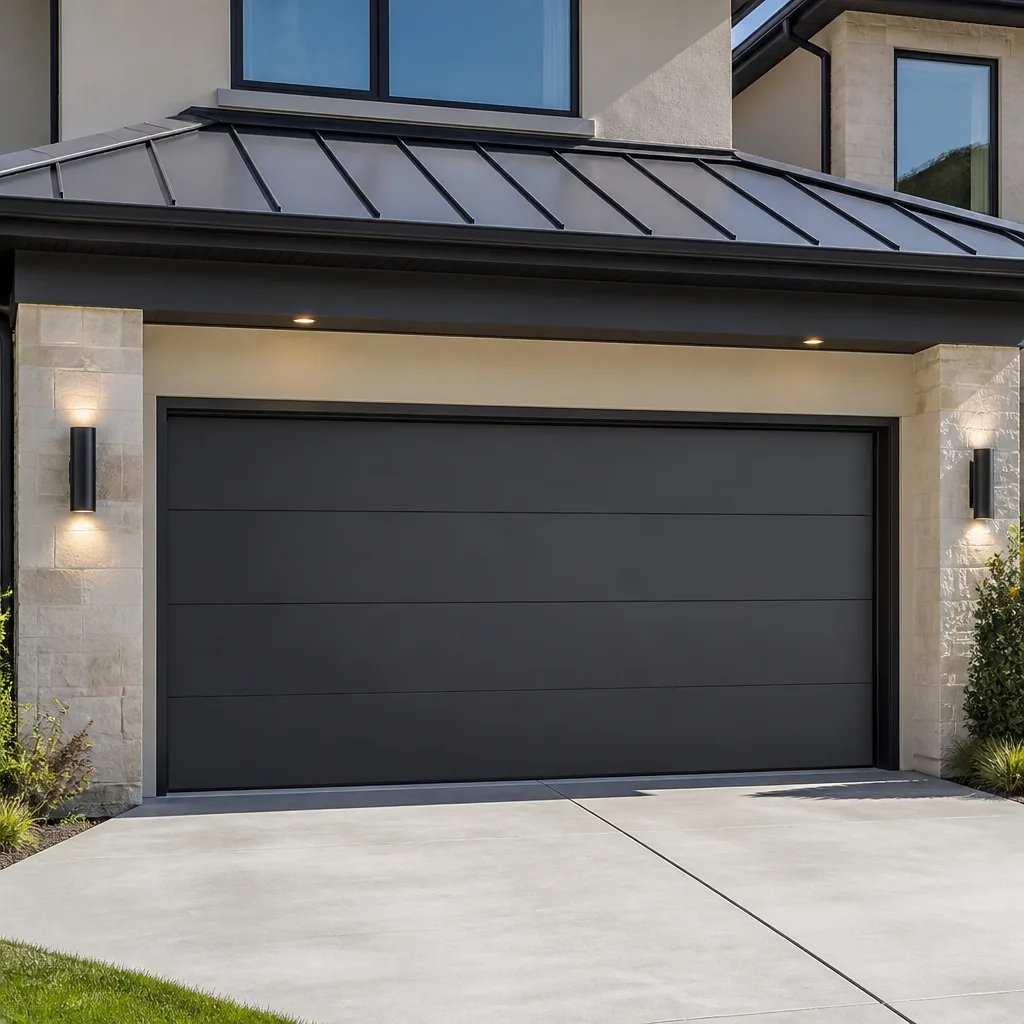 Modern flush
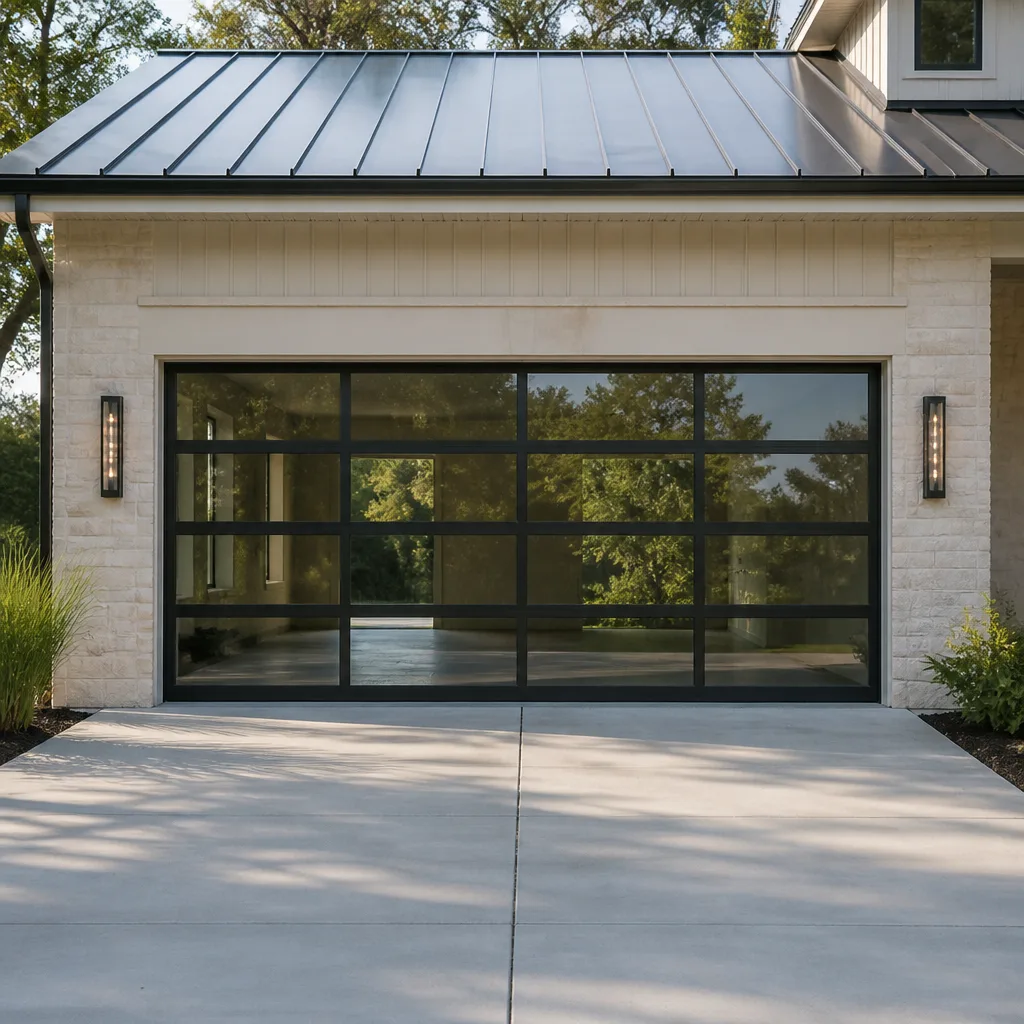 Full-view glass
 LiftMaster openers
 Chamberlain openers
Full 25-point door and opener safety check with every visit - springs, cables, rollers, tracks, and your LiftMaster or Chamberlain opener included
You get a price before we start. It does not change when the pro arrives.
Get your free estimateGarage Door Permits, Codes & Inspections in Laredo, TX: What You Need to Know
Most homeowners treat a garage door as a fixture, like a ceiling fan or a mailbox, and assume anything short of framing a new wall happens outside the reach of the building department. That assumption is where trouble starts. In Laredo, the line between a repair you can schedule without paperwork and a full replacement that may need a permit sits in a spot most people never think to look. Miss it, and a home inspector can flag the work at resale, forcing you to pull a retroactive permit and pass inspection before a closing. This guide walks through where that line actually falls, how the City of Laredo permit process works, what an inspector checks during a garage door inspection, and how documentation protects you if the door is later damaged in a storm.
Quick Answer
A like-for-like service call, such as replacing a spring, cable, roller or opener, generally does not require a permit in Laredo. A full garage door replacement, or a change that alters the door’s size, structural opening or wind-load rating, can require a permit and inspection under City of Laredo building codes and the International Residential Code sections Texas has adopted. The safest move before any full replacement is to call the city’s building department directly and confirm the requirement for your specific address and door.
Styles & brands we work with
- Raised-panel steel
- Carriage house
- Modern flush
- Full-view glass
- LiftMaster openers
- Chamberlain openers
Table of Contents
- Where the Line Between Repair and Replacement Falls
- How the City of Laredo Permit Process Works
- What a Garage Door Permit Costs
- Wind Load Ratings and Webb County Code
- What an Inspector Checks, and What They Don’t
- How Permit Documentation Affects Insurance Claims
- Step-by-Step: Getting Your Door Replacement Permitted
- Resale, Retroactive Permits and Closing Problems
Where the Line Between Repair and Replacement Falls
The single most useful distinction in this whole subject is the one between restoring a door and replacing one. Repair puts a door back to the condition it was already in. Replacement creates a new door assembly where there wasn’t one before, or changes the assembly in a way that touches the structure it’s attached to. Local permitting hinges on that difference.
Here’s how we describe the dividing line in practical terms:
- Repair, typically no permit: a snapped torsion spring, a frayed cable, worn rollers, a hinge that’s pulled loose, a dented bottom panel on a door that stays otherwise intact, an opener motor or logic board that’s failed.
- Replacement, likely permit: swapping the entire door assembly for a new one, changing the door’s width or height, converting between door types, or replacing a door after structural damage to the opening.
- Gray area, ask the city: replacing several sections instead of the whole door, changing the door’s rated wind-load class without changing the size, or adding a new door where there was none.
What makes this tricky in a city like Laredo is that many doors here are original to homes built decades ago, when the code landscape looked very different. When a homeowner replaces one of those aging doors with a modern unit, the new door generally has to meet current requirements, not the ones in place when the house was built. That shift is why a replacement can pull a permit into the picture even when the old door never had one. If you’re weighing whether your situation is a repair or something bigger, the team behind our garage door repair work can tell you plainly which side of the line a job lands on, and a free estimate costs you nothing.
How the City of Laredo Permit Process Works
Residential garage door permits in Laredo flow through the city’s building department, and the sequence is straightforward once you know what to expect. You or your contractor submits an application, provides details on the scope of work and the product being installed, pays the permit fee, completes the work, and then schedules an inspection so a city inspector can confirm the installation matches what was approved.
In our experience, the parts homeowners most often underestimate are documentation and timing, not the work itself. A few things to have ready before you start:
- Scope description. A clear statement of what’s changing: the old door’s size and type, the new door’s size and type, and whether the opening itself is being modified.
- Product information. Manufacturer and model details for the new door. This is where knowing your brand helps. If the new door is a Clopay or Amarr unit, for example, the spec sheet lists its rated wind-load performance, which is exactly what the department will want to see.
- Contractor information. Whoever pulls the permit needs to be identified, whether that’s you as the homeowner or a licensed installer working on your behalf.
- Inspection scheduling. Build the inspection into your timeline rather than tacking it on after the fact. A door that’s installed but not yet inspected is a loose end that gets harder to close later.
If any of this sounds like a lot of steps for a single door, that’s because it genuinely is more process than a spring swap. The tradeoff is that the paperwork is what protects the value of the improvement. We recommend calling the City of Laredo building department before you finalize a replacement quote, because the answer to “does my door need a permit” depends on your address, the door’s rated performance, and the scope you’re planning. Get that in writing and the rest of the process runs smoothly.
What a Garage Door Permit Costs
Residential permit fees in Laredo are set by the city and calculated from the scope and valuation of the work, which means a like-for-like single door swap usually lands in a lower fee bracket than a project that also alters the opening. We won’t quote you a permit fee here, because the city sets it and it changes; the only accurate figure is the one the building department gives you for your specific job.
What we can tell you is how to think about the cost in context. A permit fee is generally a small fraction of the total replacement cost, and it buys you something concrete: a documented, inspected installation on record with the city. Compare that to the cost of a retroactive permit pulled years later under deadline pressure at a home sale, and the permit is easy math. It’s the same principle we apply to garage door repair in Laredo. Honest scope first, then the price, then the work, always in that order.
When you request quotes for a full door replacement, ask each contractor to state plainly whether the permit is included in their price or billed separately. Some do, some don’t, and the difference can surprise a homeowner at the wrong moment. Get it in writing, along with the written price for the door and installation, before any work begins.
Wind Load Ratings and Webb County Code
Texas has adopted the International Residential Code, and that adoption matters for garage doors in Webb County because the IRC treats the garage door as a structural component, not just an opening. The code requires a garage door to be rated for the wind load it will actually see at its location, and the door’s manufacturer publishes that rating as part of the product’s design specifications. When a new door is installed, the rating has to meet or exceed what the code requires for the site.
In practice, this shapes which doors are appropriate for a given home. A door that’s perfectly serviceable in a mild inland market may not carry the wind-load rating a Laredo installation needs. That’s one reason we don’t push a single brand. Between the eight brands we service – LiftMaster, Chamberlain, Genie, Clopay, Amarr, Wayne Dalton, Craftsman and Raynor – the lineup spans a wide range of wind-load ratings, and the right door for your house is the one whose rating fits your site, not the one that’s easiest to sell.
Two points homeowners often miss:
- The rating belongs to the door assembly. Panels, track and hardware work together as a rated system. Mixing components from different ratings can undermine the assembly’s stated performance, which is exactly the kind of thing an inspector notices.
- The spec sheet is evidence. Keep the manufacturer’s documentation for the door you install. It’s what shows the inspector, and later a buyer, that the assembly is rated for the site.
We don’t give legal or engineering advice, and wind-load specifics vary by structure and location. The authoritative answer for your address comes from the City of Laredo building department, and a good installer will confirm the rated door matches the requirement before ordering.
What an Inspector Checks, and What They Don’t
An inspector is verifying that the installed work matches the approved permit, and that the door is the rated, documented product the permit called for. That’s the core of it. They are not performing a maintenance inspection, and they are not diagnosing your opener.
During a garage door inspection, expect the inspector to look at:
- Product identification. Manufacturer and model matching the permit and the spec sheet.
- Rated performance. Confirmation the door’s wind-load rating meets the requirement for the site.
- Installation basics. Track, hardware and attachment to the structure, verified as installed to the manufacturer’s specifications.
- Clearance and labeling. That the assembly’s safety labeling is present and the installation matches the approved scope.
What they generally are not checking: whether your opener’s logic board is failing, whether a spring is nearing the end of its cycle life, or whether the safety reverse is dialed in. Those are diagnostic questions for a garage door specialist, and they’re the reason we keep opener work separate from door work. An opener repair has a diagnosis, not just a symptom, and that’s our specialty regardless of whether the unit is a LiftMaster or a Chamberlain. If the inspector flags something, we can come out, look at it, and tell you whether it’s a quick fix or a bigger conversation, with a free estimate and a written price agreed before any work starts.
How Permit Documentation Affects Insurance Claims
If a storm damages your garage door and you file a claim, your insurer will ask what was installed and whether it was permitted and inspected. A documented replacement answers both questions with a paper trail: the permit record, the inspection sign-off, and the manufacturer’s spec sheet for the rated door. That’s the difference between a claim that moves forward cleanly and one that turns into a back-and-forth over whether the improvement was ever legitimate.
The reverse is the harder scenario. A door replaced without a permit or inspection has no city record, and when the insurer asks for documentation of the improvement, there’s nothing to produce. We can work with your insurer if a claim arises, and the best time to set that up is before a storm, not after. A permitted, inspected installation is the evidence. Everything downstream – repair, replacement, resale – is easier because of it.
Step-by-Step: Getting Your Door Replacement Permitted
- Confirm the requirement. Call the City of Laredo building department with your address and the scope of the change, and ask directly whether a permit is required and what documentation they want.
- Get a written estimate. Ask for the door, installation and permit status in writing, with the price agreed before work starts.
- Pull the permit. Whoever is authorized to do so – you or your licensed installer – submits the application, scope and product details.
- Order the rated door. Confirm the door’s wind-load rating meets the site’s requirement, and keep the manufacturer’s spec sheet on file.
- Install. After the door has been measured and ordered, installation is scheduled.
- Schedule the inspection. Book it into your timeline as part of the job, not as an afterthought.
- Keep the records. Permit sign-off, inspection record and product documentation together in one file. Your future self, and your future buyer, will thank you.
Resale, Retroactive Permits and Closing Problems
Here’s where all of this lands for most homeowners: the closing table. A home inspector walking through a Laredo house will often note a newer-looking garage door, and if there’s no permit record to match it, the issue gets flagged. At that point you can be required to pull a retroactive permit and pass inspection before the sale can close. That’s a real deadline with a buyer waiting, and it’s far more expensive and stressful than having done the permit the first time.
Buyers in Laredo ask questions about wind-rated features and improvements, and a documented, permitted garage door answers those questions before they become a problem. If you’re planning a replacement and want to understand your options first, our garage door repair specialists in Laredo offer a free measure and a written estimate, so you know exactly what you’re getting before you commit. For opener issues that come up along the way, our team handles garage door opener repair as its own specialty.
Common Mistakes to Avoid
- Assuming every door swap needs a permit. A spring, cable or roller replacement is repair, not replacement, and treating a routine fix as a permitting project wastes time. Call the city to confirm before you assume either way.
- Assuming no replacement ever needs a permit. A full door swap, a size change or a rated-class change can trigger a permit requirement, and skipping it is what creates trouble at resale.
- Discarding the spec sheet. The manufacturer’s wind-load documentation for your specific door is the evidence the department and your insurer will ask for. Keep it.
- Not asking whether the quote includes the permit. Get permit status in writing on every replacement quote. Ambiguity here is expensive later.
- Mixing rated and unrated components. Panels, track and hardware are a rated assembly. Mixing components can undermine the rated performance, and an inspector will notice.
- Forgetting the inspection. Build it into the job timeline. A door that’s installed but never inspected is an open item that gets harder to close.
- Replacing a door after storm damage without the paper trail. Document the damage and the replacement. Your insurer will want to see both.
See the difference
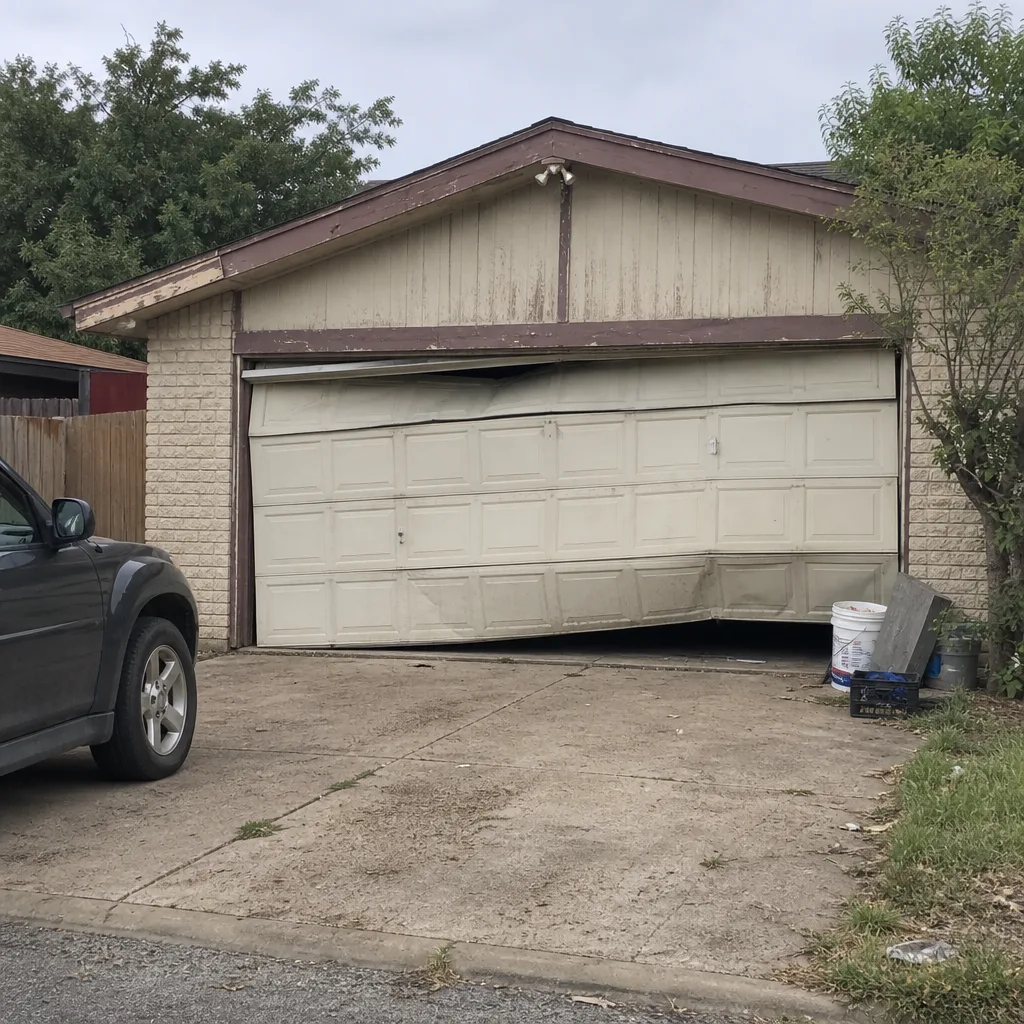 Before
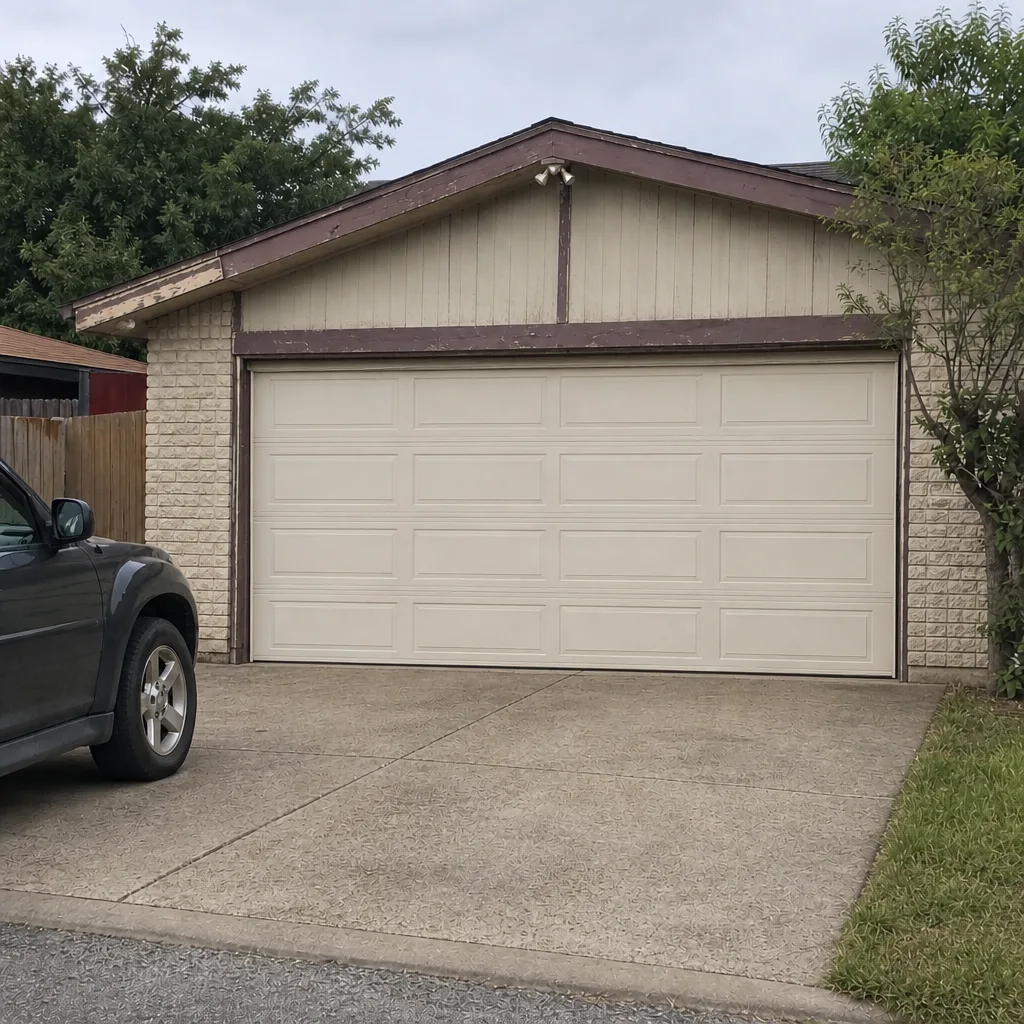 After
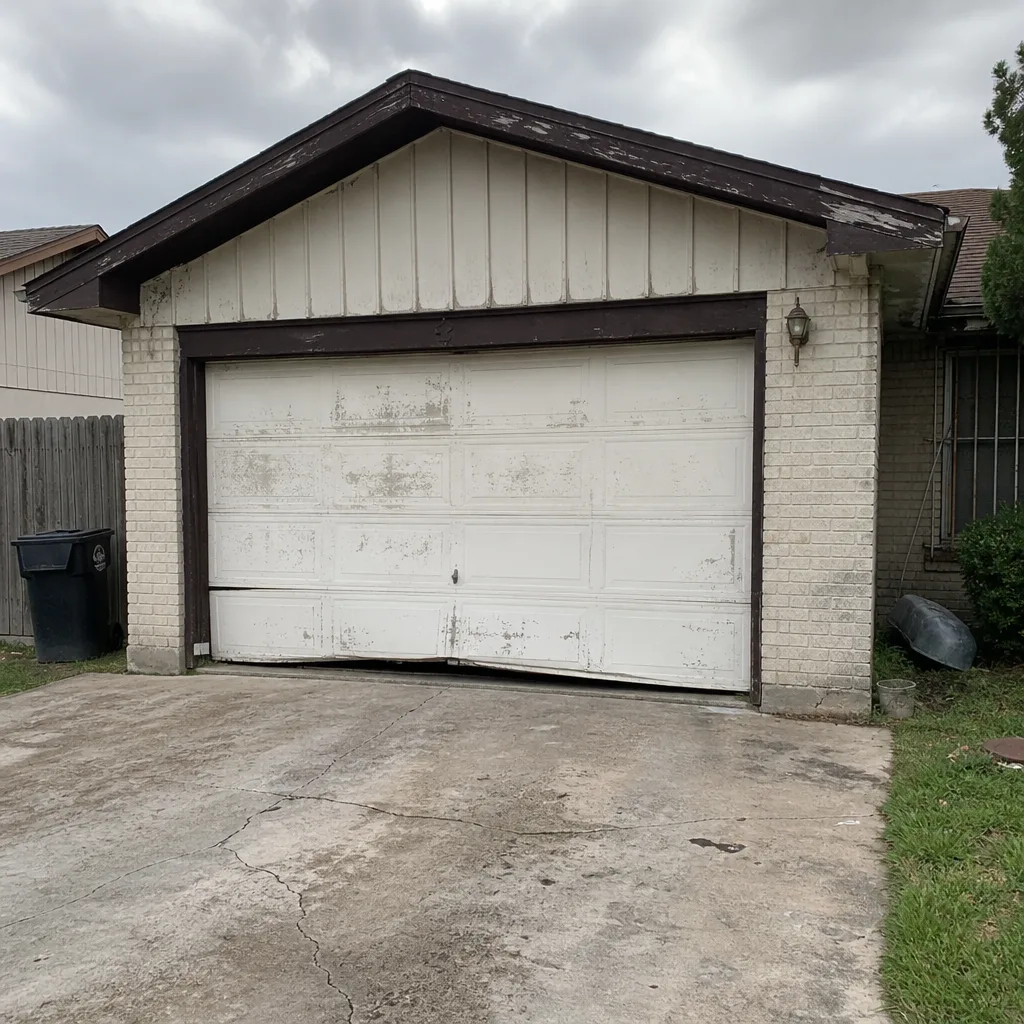 Before
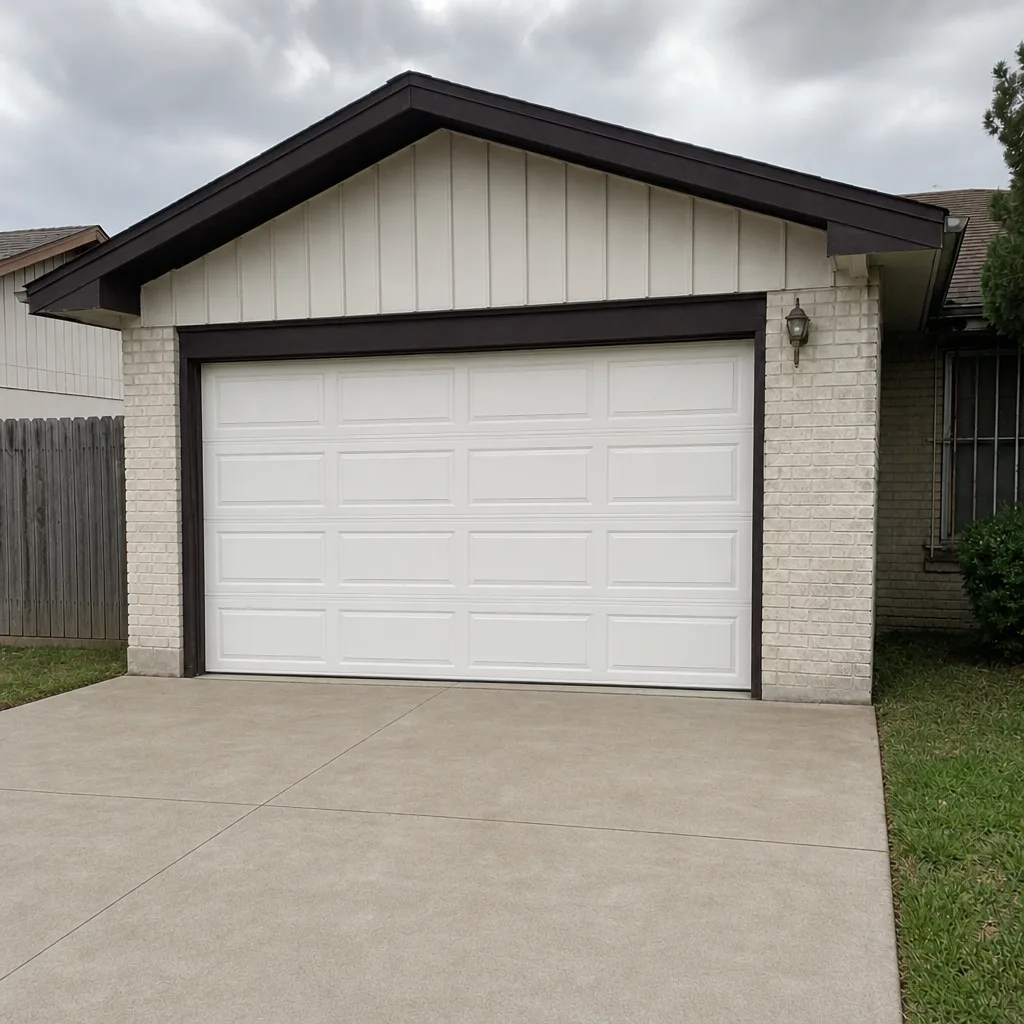 After
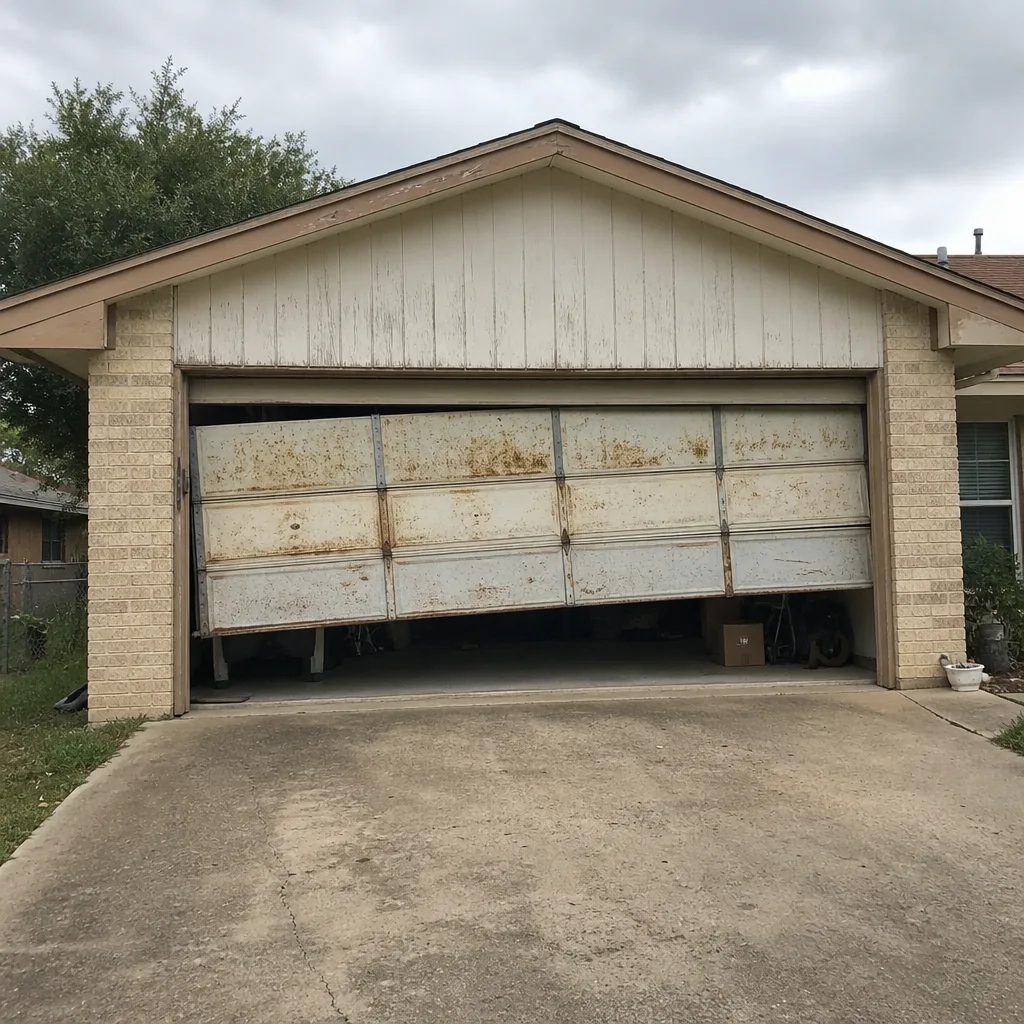 Before
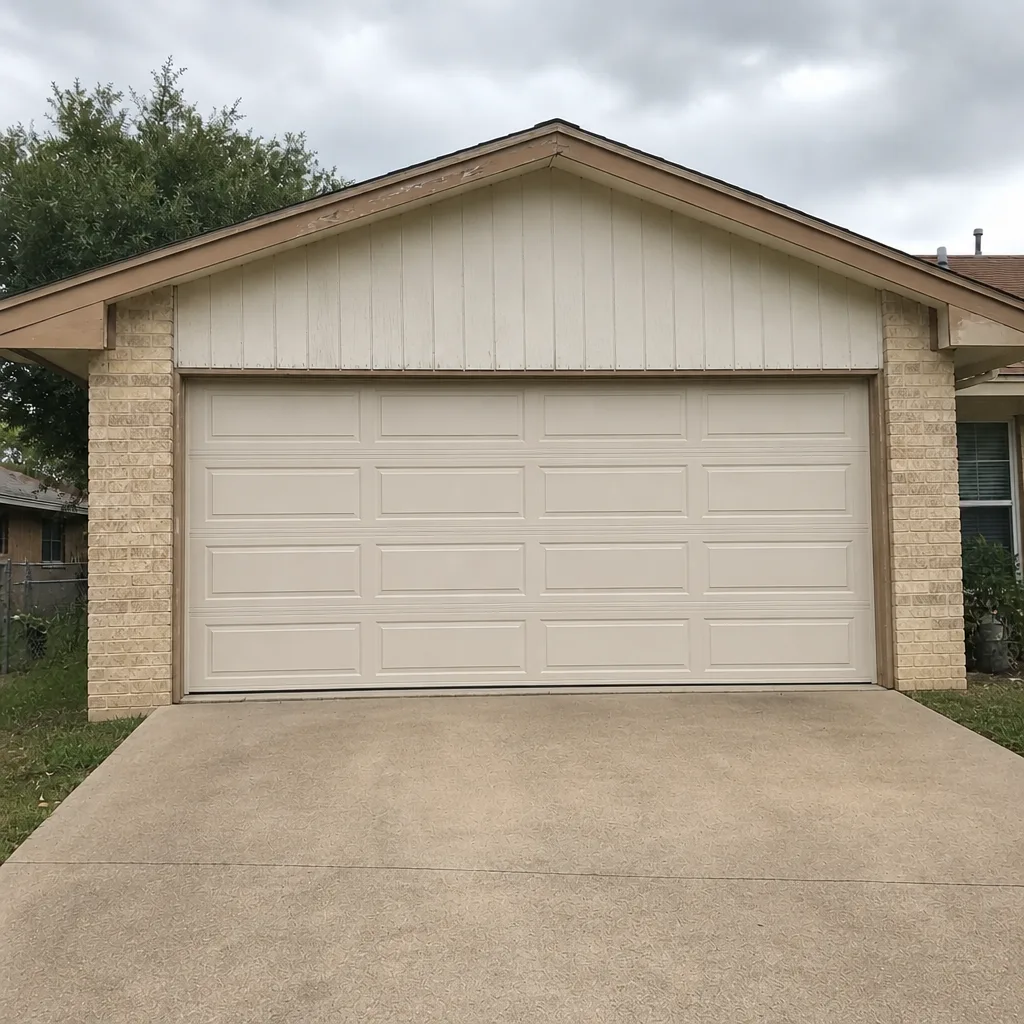 After
When to Call a Professional
Call a specialist when the answer isn’t obvious. If your door snapped a spring or dropped a cable, that’s repair, and a trained technician should handle it. Torsion springs and cables are under extreme tension, and a mistake there can cause serious injury. If your opener is behaving oddly, that’s a diagnosis, not a guess. If you’re facing a full replacement and want to know what the city will require, a specialist who deals with Laredo’s building department routinely can save you a wasted trip. And if a home inspector has already flagged an unpermitted door, get a professional assessment before the closing clock runs down. Garage Door Repair Laredo offers free estimates in Laredo – call (855) 360-7055.
Frequently Asked Questions
A full replacement of the door assembly usually can require a permit under City of Laredo building codes, while a routine repair like a spring, cable or opener swap generally does not. The current requirement for your address depends on scope, size and rated performance, so confirm it with the building department before work starts. Call (855) 360-7055 for a free estimate and a written price.
Repair restores the door to its existing condition and typically needs no permit; replacement installs a new door or changes the opening, and can require one. The gray area includes replacing several sections or changing the rated wind-load class. Our technicians have up to 14 years of experience and can tell you which category your job is in.
An inspector confirms the door matches the permit and spec sheet, that its wind-load rating meets the site requirement, and that the installation follows the manufacturer’s specifications. They don’t diagnose openers or check spring life. For those questions, schedule a garage door specialist and get a written price before any work begins.
Timelines depend on the city’s review queue and how complete your application is. A clean application with product details and scope moves faster than one with missing documentation. Call the building department for the current timeline, then call (855) 360-7055 so we can coordinate the measure and installation around it.
The safe path is a retroactive permit and inspection before a sale or a storm claim forces the issue. It’s cheaper and calmer to resolve now than at closing. Call us and we’ll help you understand the scope, with a free estimate and the price agreed in writing before anything starts.
Yes – documented, permitted and inspected work gives your insurer the paper trail it needs to process a claim cleanly. An unpermitted door can turn a claim into a dispute. We can work with your insurer, and we can confirm what documentation you’ll need. Call (855) 360-7055. We answer 24/7; fast dispatch from 7am to 7pm, Sunday through Friday.
The Bottom Line
The permit question turns on one distinction: repair versus replacement. Routine fixes like springs, cables and openers generally stay out of the permit process. A full door replacement, a size change or a rated-class change can require a City of Laredo permit and inspection, and the requirement is confirmed with the building department for your specific address. What’s at stake is well-defined: a documented, rated installation protects your resale and your insurance claim, while an unpermitted replacement can become a retroactive problem at closing. Get the requirement confirmed, get the permit, keep the spec sheet, and schedule the inspection as part of the job. That’s the whole formula.
If you’re planning a repair or a replacement in Laredo and want straight answers and a written price before anything starts, call (855) 360-7055 for a free estimate. We answer 24/7. Fast dispatch from 7am to 7pm, Sunday through Friday.
Written by the team at Garage Door Repair Laredo.